

You step outside, the Smoky Mountain air hits you just right, and then, within thirty seconds, you’re a buffet. East Tennessee summers are genuinely beautiful, but the mosquito situation? It’s a lot. The humidity, the tree cover, the warm nights that last forever. It’s prime territory for them.
The good news is that you don’t have to surrender your deck from June through September. A few smart decisions, some of which cost nothing, can make a real difference in how much time you actually spend outside.
Here’s what works.
First, Understand What’s Attracting Them
Mosquitoes need standing water to breed. That’s it. That’s the whole secret. Mosquitoes seek out standing water to lay eggs, and reducing or eliminating it in places like bird baths, backyard toys, and other containers can meaningfully reduce the mosquito population near your home.
Walk your yard slowly. Look for:
- Clogged gutters holding water against your roofline
- Bird baths that haven’t been refreshed in days
- Low spots in the yard where rainwater collects after a storm
- Potted plant saucers sitting full of water under your deck
- Any container that holds even a small amount of standing water
Mosquito eggs can hatch in as little as an inch of water. Tipping over a forgotten bucket or clearing a clogged downspout can eliminate an entire breeding ground before it gets started.
The East Tennessee Situation Is Worth Taking Seriously
This isn’t just about comfort. Late spring through mid-summer is the time of year when Tennesseans are most at risk for contracting West Nile virus, with illness onset for cases mainly reported in the second half of the year. The Tennessee Department of Health’s mosquito-borne disease tracking page is a useful resource if you want to follow activity levels in your county through the season.
Keeping mosquito populations down around your deck isn’t just a nice-to-have. It’s a real health consideration for you, your kids, and your neighbors.
What Actually Works on the Deck
Outdoor Fans
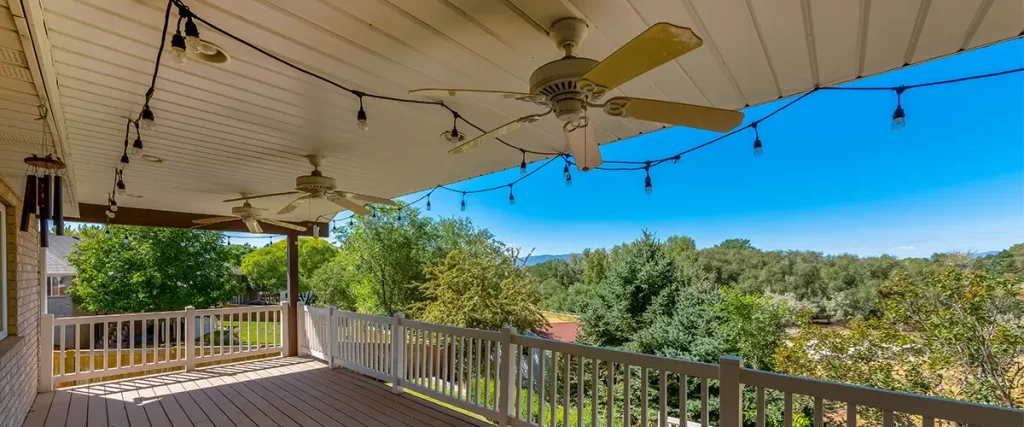
This is probably the most underrated fix on the list. Mosquitoes are weak fliers. A ceiling fan or a couple of well-placed pedestal fans creates enough air movement to make landing extremely difficult for them.
Fans also make the heat more bearable, which is a bonus when you’re dealing with East Tennessee July evenings. If you’re building a covered deck or pergola, budget for at least one ceiling-rated outdoor fan from the start.
Plants That Pull Double Duty
Certain plants genuinely help, and they look good doing it. Citronella, lemon balm, lavender, and basil all produce scents that mosquitoes tend to avoid. They’re not a silver bullet, but grouped near seating areas in pots they add both fragrance and function.
A few that work well together on an East Tennessee deck:
- Citronella grass, in large containers near the perimeter
- Lavender, which also brings pollinators you actually want
- Lemon balm, easy to grow, smells great, mosquitoes dislike it
- Basil, doubles as an herb garden and a pest deterrent
Citronella Candles and Torches
They’re classic for a reason. Grouped together in your seating area, citronella candles create a scent barrier that helps discourage mosquitoes from hanging around. They’re most effective in calm conditions, so pair them with fans for better results on breezy nights.
Drainage and Yard Management
Poor yard drainage is one of the biggest contributors to mosquito populations in East Tennessee. The hills and tree cover mean water tends to pool in low spots, especially after the afternoon storms that roll through all summer.
If you have a chronic wet area near or under your deck, a simple French drain can redirect that water away from the house entirely. It’s a manageable project that pays off every summer after.
Tall grass and dense vegetation near the deck also matter. Mosquitoes rest in shaded, moist areas during the day and come out at dusk. Keeping grass trimmed and shrubs away from the deck edge reduces the places they hide between feedings.
Mosquito Repellent Options: A Quick Comparison
| Option | Effectiveness | Cost | Best For |
| Outdoor ceiling fan | High | Mid, one-time | Covered decks and porches |
| Citronella candles | Moderate | Low | Small seating areas |
| Repellent plants | Low to moderate | Low | Perimeter planting, aesthetics |
| Screened porch enclosure | Very high | Higher, one-time | Full season protection |
| Eliminating standing water | Very high | Free | Whole yard |
| French drain | High for wet yards | Mid | Properties with drainage issues |
The Nuclear Option: A Screened Porch
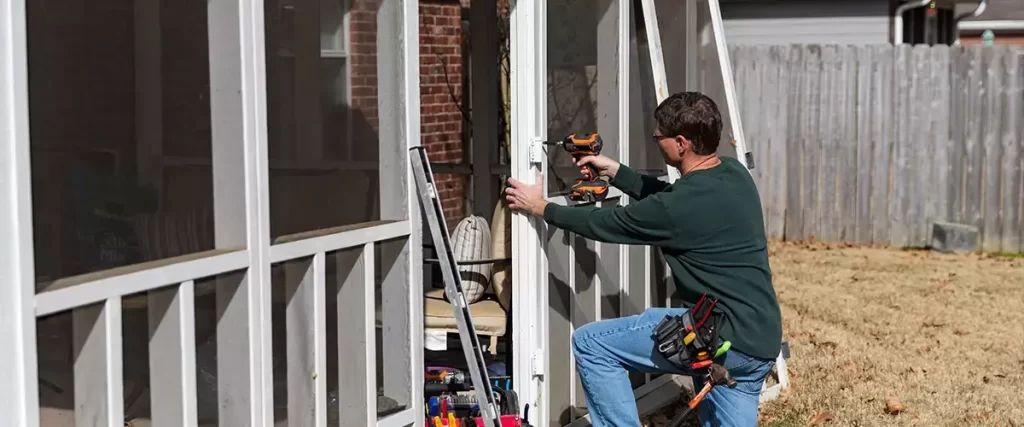
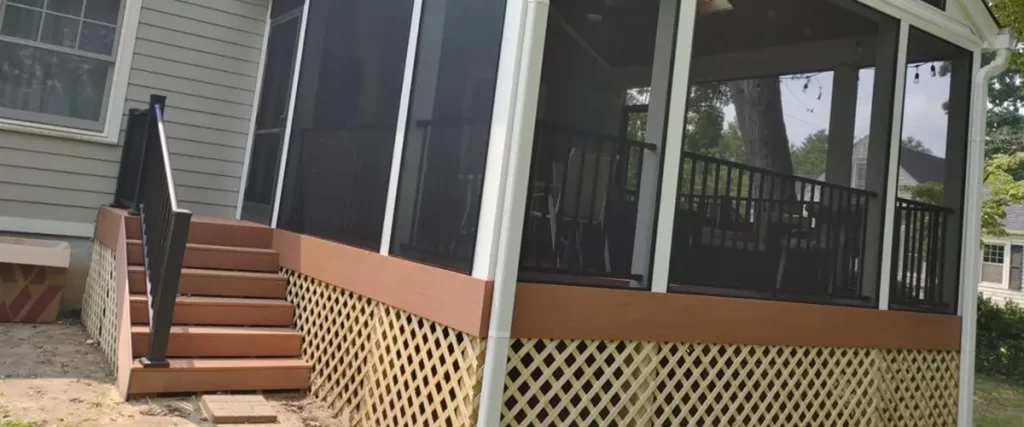
If you’re serious about reclaiming your outdoor space for the long term, a screened porch is the most complete solution. Nothing else comes close to complete protection from mosquitoes and other insects while still letting you feel the breeze and hear the evening sounds.
A well-designed screened porch also adds genuine living space to your home. Evening meals outside, coffee in the morning without a single bite, hosting gatherings without chasing people back indoors. It changes how you use your backyard entirely.
If you’re curious about what goes into building one right, take a look at our post on deck building in East Tennessee for a sense of how these projects come together.
FAQ
Do bats actually help with mosquitoes?
They do eat mosquitoes, but studies suggest they’re not selective enough to make a major dent in your yard’s population. They’re still worth welcoming, just not a standalone solution.
Are essential oils effective mosquito repellents outdoors?
Some, like lemon eucalyptus oil, have shown real repellent properties in research. They’re less durable than DEET-based products but reasonable for short, calm evenings.
Does trimming tall grass actually reduce mosquitoes?
Yes. Mosquitoes rest in cool, shaded vegetation during the day. Less dense ground cover near your deck means fewer places for them to wait.
Will a French drain help if water pools under my deck?
Almost certainly. Stagnant water under a deck is a mosquito breeding ground and a moisture problem for the structure itself. Redirecting that drainage solves both at once.
When is mosquito season worst in East Tennessee?
Peak activity runs roughly from late May through September, with July and August being the worst months due to heat and humidity.
Honestly, There’s a Better Way to Spend Your Summer
Going through this list, tracking down every birdbath, planting your perimeter, installing fans, managing drainage, and maybe screening in your porch, adds up to a real project. Some of it is weekend-friendly. Some of it requires real planning.
If you’re thinking about a screened porch addition or a new deck build designed with airflow and livability in mind, that’s exactly the kind of project we love. Our deck building page covers what we do and how we approach outdoor living in East Tennessee.
You might also want to read up on composite decking pros and cons if you’re weighing materials for a new build, or browse our thoughts on rooftop decks if you’re thinking about elevated outdoor living with serious views.
When you’re ready to stop swatting and start relaxing, call us at (865) 801-4545 or message us here.