

Your deck made it through another winter. Barely. Now it’s sitting out there looking like it went ten rounds with Mother Nature, lost most of them, and is ready to tap out.
You could fix it now. You could wait until summer. You could ignore it entirely and hope the problem solves itself (spoiler: it won’t).
Here’s the deal: spring is when everything lines up in your favor for deck repairs. The weather cooperates, materials behave, contractors are available, and your wallet doesn’t hate you for it. Let me show you why waiting is basically just burning money.
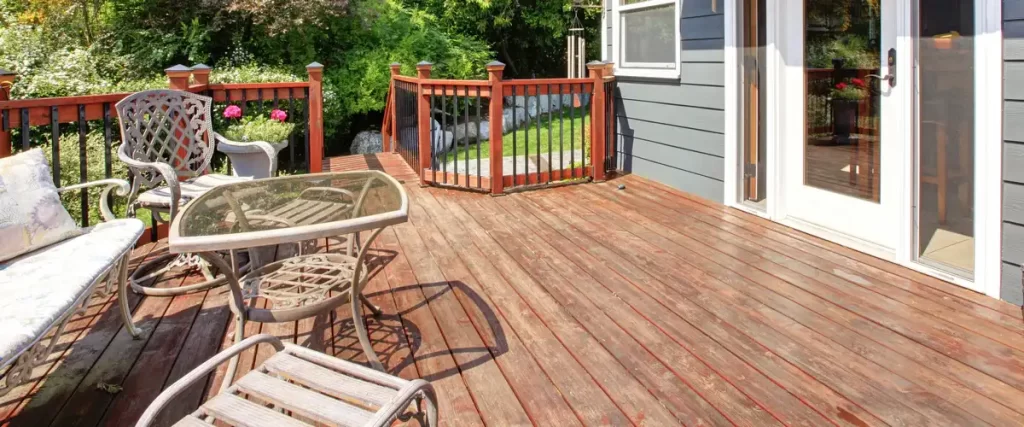
The Weather Sweet Spot That Won’t Last
Temperature Goldilocks Zone
Spring gives you that perfect 60-75°F range where everything just works:
| Season | Temperature | What Happens to Your Deck |
| Winter | 30-50°F | Materials are brittle, adhesives won’t cure |
| Spring | 60-75°F | Everything cooperates as it should |
| Summer | 85-95°F | Wood warps while you watch, stain dries before penetrating |
| Fall | 55-75°F | Good, but you’re racing against winter |
Cold temperatures make wood contract and become difficult to work with. Extreme heat causes expansion that throws off measurements. Spring? Materials are just chilling at their normal size, ready to be installed properly.
The Moisture Management Window
Let’s talk about why dry weather in spring beats summer’s surprise storms:
- Morning dew burns off by 10 AM – materials are ready to work with
- Rain systems are predictable – you can plan around them instead of scrambling
- Wood moisture content stabilizes – not soaked from winter, not baking in summer heat
- Sealants and stains cure correctly – humidity is moderate, not extreme
Summer storms roll in at 3 PM and wreck your entire day’s work. Winter keeps everything too wet for too long. Spring gives you actual windows where you can get things done.
Materials Actually Behave in Spring
Wood Does What It’s Supposed To
Wood grain opens up properly in cooler temperatures without immediately closing from the heat. This means:
- Stain penetrates deeply instead of sitting on the surface
- Sealant absorbs correctly, rather than evaporating before it soaks in
- Pressure-treated lumber is stable at its normal dimensions
- Replacement boards fit properly without fighting expansion/contraction
Install deck boards in summer heat, and they’ll contract in the fall, leaving gaps. Install in winter cold, and they’ll expand in summer, buckling. Spring installation means you’re working at the middle point where dimensions stay consistent year-round.
Composite Materials Play Nicely Too
Think composite decks don’t care about temperature? Think again.
Composite materials expand and contract even more than wood with temperature changes. Install them in extreme heat or cold, and you’re setting yourself up for gaps or buckling later. Spring’s moderate temperatures mean proper installation without fighting the material.
Your Tools and Supplies Cooperate
Ever try to apply deck stain when it’s 95°F outside? The stuff dries before you can spread it evenly. How about when it’s 40°F? Good luck getting it to penetrate at all.
Spring lets adhesives, sealants, and finishes cure at the rate they’re designed for. No rushing, no waiting forever, just normal performance like the manufacturer intended.
The Budget Reality Everyone Ignores
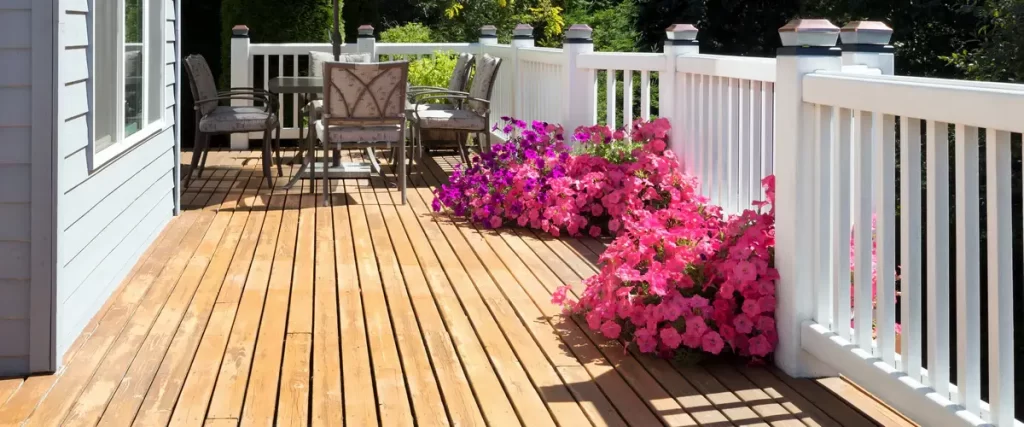
Here’s what your contractor won’t tell you upfront:
Spring Pricing vs. Peak Season Costs
| Factor | Spring | Summer | Winter |
| Contractor availability | Wide open | Booked solid | Limited |
| Labor rates | Standard | Premium | Premium + weather delays |
| Rush fees | None | Common | Guaranteed |
| Material costs | Normal | Normal | Normal + delivery issues |
Summer is peak season. Everyone wants their deck fixed before the Fourth of July cookout. Contractors know this and price accordingly. You’re competing with every other homeowner who procrastinated.
Winter? You’ll pay extra just to find someone willing to work in the cold, plus you’re eating costs for weather-related delays.
Spring contractors are hungry for work after a slow winter. Their calendars have openings. They’re motivated to fill them. This translates directly to better pricing and more negotiating room.
The Hidden Costs of Waiting
Let’s do some quick math on what delaying costs you:
- Minor rot now becomes major structural damage by fall: $500 repair → $3,000 replacement
- Small cracks spread over summer: $200 patch job → $800 board replacement
- Loose boards get worse: $150 screw replacement → $600 joist repair
Every month you wait, problems compound. Spring repairs catch issues while they’re still cheap to fix.
What Proper Timing Actually Prevents
Fix your deck in spring, and you’re protecting it before the real abuse starts.
Summer’s Greatest Hits (All Bad)
What happens if you wait until after summer to fix your deck:
- UV bombardment breaks down unprotected wood faster than you’d believe
- Heat stress opens new cracks and widens existing ones
- Heavy use from cookouts puts pressure on weak boards that weren’t fixed
- Surprise storms test structural integrity that’s already compromised
- Mold growth accelerates in warm, humid conditions
Address spring problems now, and your deck is ready to handle all that. Wait, and you’re repairing damage on top of existing damage.
Winter’s Revenge
Skip fall repairs, thinking you’ll deal with it “next year” and winter will make you pay:
- Moisture seeps into cracks you didn’t seal
- Freeze-thaw cycles expand that moisture and split the wood
- Ice dams can form under your deck if drainage isn’t fixed
- Snow weight stresses weak structural components
- Salt and de-icer corrode exposed fasteners
Come spring, what was a minor issue is now a major project.
The Inspection Advantage
Spring is when you should get eyes on your deck anyway. Here’s your 60-second routine that keeps you ahead of costly repairs:
Quick Spring Deck Check
Week 1 – Surface Assessment (15 minutes):
- Walk every square foot looking for soft spots
- Check for splinters or rough areas
- Note any discoloration or staining
- Test railings with a hard push
Week 2 – Structural Review (20 minutes):
- Get underneath and look at joists and beams
- Check the ledger board connection to your house
- Inspect all visible fasteners for rust
- Look for signs of pest damage
Week 3 – Detail Work (15 minutes):
- Examine gaps between boards for debris
- Check flashing and seals
- Look for mold growth in shaded areas
- Test the water drainage after a rain
Week 4 – Decision Time (10 minutes):
- Make a list of everything that needs attention
- Decide what you can DIY vs. what needs a pro
- Get quotes before everyone else books contractors
This simple routine catches problems early when they’re still in the “cheap fix” category.
Why Contractors Love Spring Work
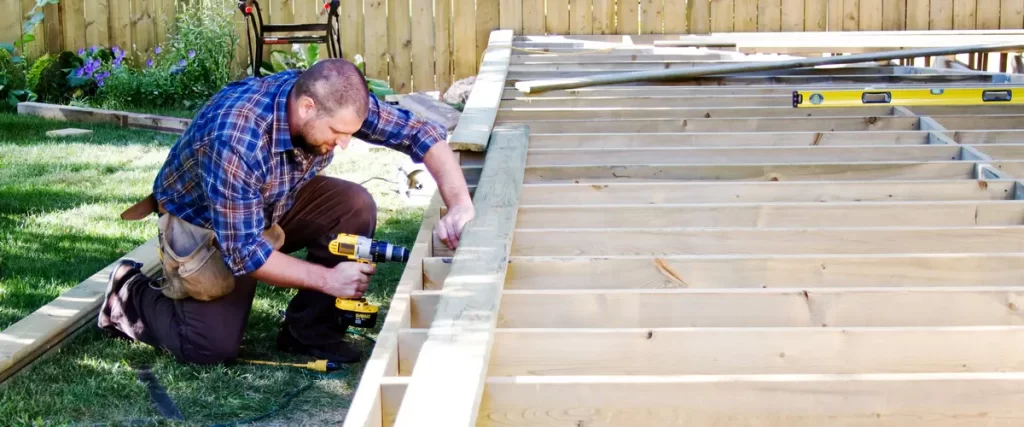
Talk to any quality deck repair contractor, and they’ll tell you spring is their favorite time to work. Not because they’re romantic about the season, but because:
Quality Workmanship Is Actually Possible
- Materials cooperate instead of fighting temperature extremes
- Work proceeds on schedule without constant weather delays
- Attention to detail is easier when you’re not rushed or freezing
- Proper curing time means finishes actually last
- Better inspection conditions catch issues that would be missed in harsh weather
When contractors can do their best work, you get a better result. Simple as that.
The Timeline Makes Sense
According to data from the U.S. Bureau of Labor Statistics on construction timelines, spring repairs typically finish 20-30% faster than winter work and with fewer weather-related delays than summer projects.
A typical spring deck repair timeline:
- Initial inspection: 1-2 hours
- Repair estimate and planning: 2-3 days
- Material procurement: 3-5 days
- Actual repair work: 3-7 days, depending on the scope
- Curing and finishing: 2-3 days
- Final inspection: 1 hour
Total: 2-3 weeks from call to completion. Try that in July when everyone’s booked six weeks out.
Small Tweaks That Make Big Differences
Sometimes it’s not about major repairs. Spring is perfect for those small tweaks to make your deck perform better:
Drainage Improvements
- Add a slight pitch to flat areas where water pools
- Clear debris from between boards
- Install drain holes in problem spots
- Extend downspouts away from the deck area
Surface Protection Upgrades
- Apply fresh sealant before UV exposure intensifies
- Touch up worn spots before they become full board replacements
- Add furniture pads to prevent moisture trapping
- Install shade elements to reduce sun damage
Structural Add-Ons That Improve Longevity
Want to make your deck last longer? Spring’s the time for:
- Upgraded fasteners in areas showing rust
- Additional support beams under heavy-use areas
- Better flashing at house connections
- Ventilation improvements underneath
- Pest barriers before bug season hits
Check out our guide on protecting your deck from weather damage for more prevention strategies.
The Curb Appeal Factor
Let’s be real: nobody’s impressed by your deck in winter. It’s covered in leaves and grime. Summer? Everyone’s deck looks decent in the sunshine.
Spring is when first impressions matter for your home’s curb appeal:
- Neighbors are out and about, noticing your property
- Spring home sales peak, so property values matter
- The outdoor entertaining season starts, making your deck the focal point
- Fresh repairs look their best before a season of use
A deck repaired in spring looks great all summer. A deck repaired in late summer already shows wear by fall.
Common Spring Repair Mistakes to Avoid
Don’t be the person who screws this up:
Frequent Mistake #1: Rushing Because the Weather’s Nice
Just because it’s warm doesn’t mean you should skip prep work. Proper surface cleaning, drying time, and material acclimation still matter.
Frequent Mistake #2: Wrong Product for Conditions
Using summer-rated products in spring (or vice versa) causes problems. Match your materials to actual temperature ranges, not the calendar.
Frequent Mistake #3: Ignoring Awkward Layouts
Tight or awkward layouts need extra planning in the spring. Don’t just assume you can work around them like you did last time. Plan for proper access and staging.
Frequent Mistake #4: DIY Beyond Your Skill Level
That short, realistic tool list for quality deck repair? It includes skills too. Know when to call a pro instead of turning a minor repair into an emergency situation.
The Maintenance That Follows
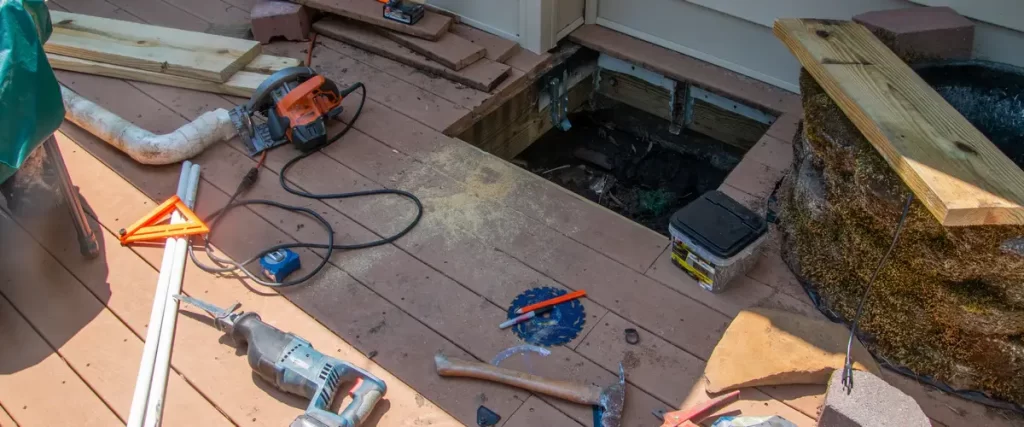
Spring repairs are pointless if you don’t follow through with maintenance. Here’s your second routine that keeps everything in good condition:
Monthly Checks (5 minutes each)
- Sweep debris off the surface
- Quick visual inspection for new issues
- Test high-traffic areas for loosening
- Note anything that needs attention
Quarterly Deep Maintenance (1 hour)
- Power wash if needed (not too often though)
- Check and tighten all fasteners
- Inspect underneath for moisture or pests
- Touch up any worn finish spots
Annual Professional Inspection
Even if everything looks fine, get professional eyes on your deck once a year. They’ll catch things you miss and keep minor issues from becoming major problems.
For more on keeping your deck in top shape, see our post on when to replace deck fasteners.
Frequently Asked Questions
Is spring really better than fall for deck repairs?
Both are good, but spring has the edge. You’re protecting your deck BEFORE summer abuse instead of repairing damage AFTER. Plus, contractor availability is better in spring.
What if I have emergency situations that can’t wait until spring?
Emergency repairs don’t wait for optimal timing. But for planned maintenance and non-critical fixes, spring is your best bet for quality and value.
Can I use summer popular materials in spring installations?
Most materials work year-round, but check temperature ratings. Some products are optimized for specific conditions. Your contractor should know which ones.
How do I know if my deck needs professional repairs or just DIY maintenance?
If it’s surface cleaning, tightening screws, or replacing one or two boards, that’s DIY territory. Anything structural, widespread, or involving connections to your house needs a pro.
Will spring weather delays cost me extra?
Reputable contractors build reasonable weather delays into their estimates. If they’re quoting you for spring work, they already know rain happens. Summer storm delays are actually more disruptive and costly.
What’s the real difference between spring and summer contractor prices?
Easily 15-25% higher in peak summer months due to demand. Spring rates are competitive because contractors want to fill their schedules.
Should I wait for a sale on materials?
Material sales happen year-round. Don’t let waiting for a 10% discount turn into a 50% increase in labor costs because you waited until peak season.
Here’s the Part Where I Don’t Try to Sell You Anything
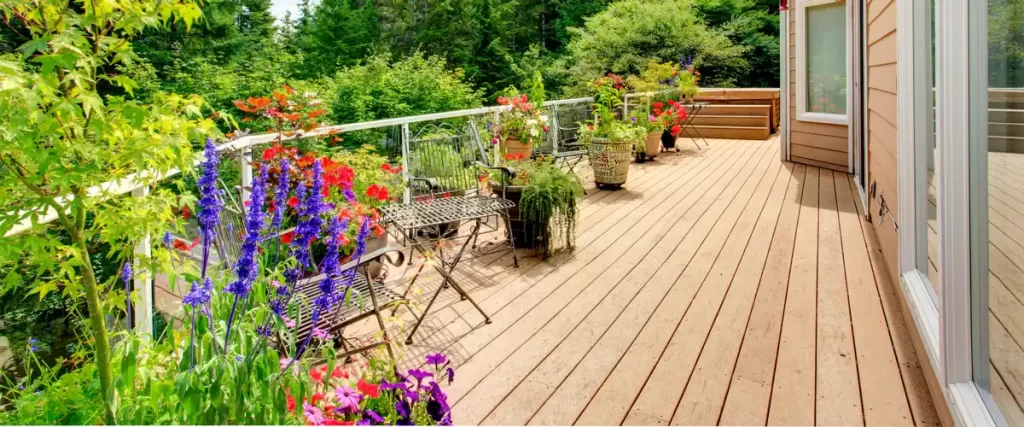
Look, I’ve just told you why spring is the smart time to fix your deck. Everything I’ve said is true, but here’s the thing:
You’re probably not going to do it.
Most people read articles like this, nod along, think “that makes total sense,” and then… do nothing. They’ll wait until summer when the deck is actively embarrassing them during a cookout. Or they’ll push it to fall and forget about it. Or they’ll keep procrastinating until the deck literally becomes unsafe.
I get it. Home maintenance isn’t exciting. You’ve got work, family, a million other priorities. Dealing with your deck isn’t high on the fun list.
But you know what’s even less fun? Dropping $12,000 on a complete deck replacement because you ignored a $800 repair that would’ve been $500 if you’d caught it in spring.
If you’re actually going to do something about your deck instead of just thinking about it, spring is when it makes sense. The weather cooperates. The materials behave. The contractors are available and motivated. Your budget doesn’t get murdered.
We’ve been doing this long enough to know the difference between problems that need immediate attention and issues that can wait. We’re not going to tell you your deck is falling apart if it isn’t. And we’re not going to let you ignore actual safety issues, thinking you can “wait until next year.”
Want someone to just tell you straight what your deck needs? That’s literally what we do. No pressure, no games, just honest assessment of what’s broken and what it’ll cost to fix it right.
Find out more about what we do at our deck repair page, or skip the reading and just talk to a human.
Call us at (865) 801-4545 or message us here.
Your deck’s not getting any better sitting there. Just saying.