

Spring in Chattanooga is beautiful. The flowers bloom, the air warms up, and you start thinking about weekend cookouts on the deck again.
Then it rains. And rains. And rains some more.
If you’ve lived here long enough, you know spring means wet. Really wet. And while you’re probably worried about your roof when storm clouds roll in, your deck is down there getting hammered by the same weather.
The difference? Most people don’t think about deck damage until they’re already ankle-deep in problems.
What Makes Chattanooga’s Spring Rain So Brutal for Decks
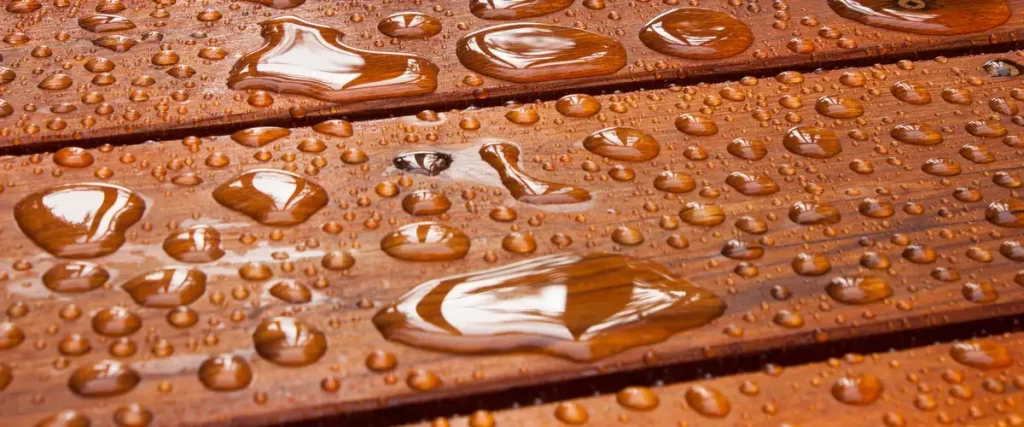
We don’t get one storm and done. Tennessee weather doesn’t work that way. We get systems that park themselves over the area and dump rain for days. Then it clears up just long enough for you to think it’s over before the next wave hits.
This pattern is murder on wooden decks. Wood needs time to dry out completely between soakings, but our spring weather doesn’t give it that chance. Your deck boards absorb moisture, swell up, and then try to dry before the next storm arrives. Rinse and repeat twenty times between March and June.
The constant wet-dry cycle does more damage than a single heavy downpour ever could.
The Three Ways Water Destroys Your Deck
1. Surface Damage You Can See
When your deck’s protective layer of stain wears away (and it will), rain soaks straight into the bare wood. You’ll notice the deck boards turning gray first. That’s not just cosmetic. That’s the wood fibers breaking down from UV exposure and moisture.
Splintering comes next. As the wood expands and contracts with each rain cycle, the surface starts separating. Walk across your deck barefoot after a few spring seasons without maintenance and you’ll know exactly what I’m talking about.
2. The Rot You Don’t See Yet
Here’s where it gets expensive. Wood rot starts underneath, in the places you’re not looking. The joists, beams, and posts that hold everything up sit closer to the ground where moisture collects, and airflow sucks.
Rain doesn’t just fall on your deck. It splashes up from the ground below. It drips from clogged gutters above. It gets trapped in corners and against the house where your deck connects to your exterior walls.
Once rot takes hold in structural components, you’re not talking about replacing a few deck boards anymore. You’re looking at serious structural issues that threaten the whole system.
3. Connection Point Failures
The ledger board is the piece that attaches your deck to your house. According to the International Code Council, this is one of the most common failure points in deck collapses. When spring rains compromise the flashing that protects this connection, water seeps behind your deck and into your home’s structure.
This creates problems on both sides: deck damage and potential wall rot in your house. It’s the kind of issue that starts small and becomes catastrophically expensive if ignored.
What Your Deck Looks Like After a Chattanooga Spring
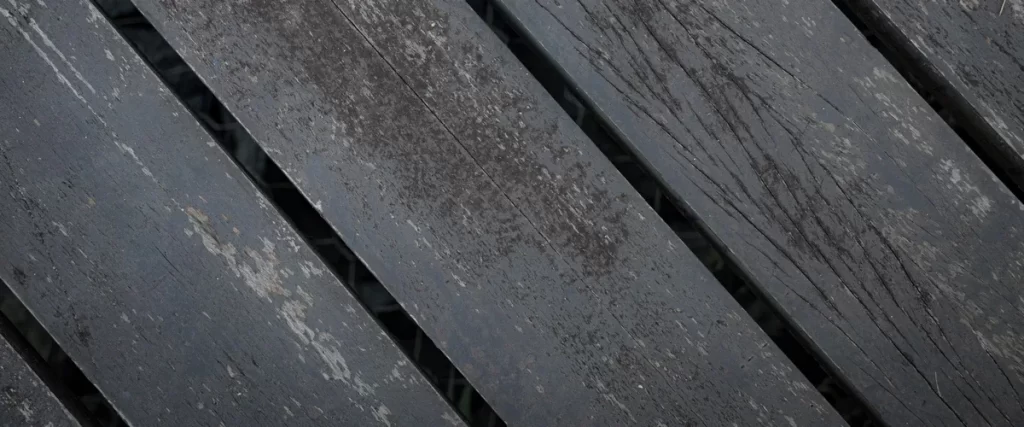
Let’s get specific about the warning signs:
| What You See | What It Means | Urgency Level |
| Green or black patches | Mold/algae growth from standing water | Medium |
| Boards feel soft when you press them | Wood rot has started | High |
| Water pools in the same spots after rain | Drainage failure | Medium |
| Railings wobble | Loose screws or rotting posts | High |
| Deck surface stays wet for days | Sealant failure or wood saturation | Medium |
| Peeling or bubbling stain | Moisture trapped under the finish | Low |
None of these fix themselves. They all get worse with each storm.
Why Composite Decks Aren’t Magic Solutions
Composite decks handle moisture better than wood, true. They won’t rot in the traditional sense. But don’t think they’re bulletproof.
Poor drainage still causes problems. Water that sits on composite decking materials promotes mold growth on the surface. The deck screws and fasteners that hold everything together? Still metal. Still subject to corrosion when constantly wet.
Plus, if water consistently pools in the same areas, even composite boards can warp over time. The material is better than wood at resisting moisture damage, but it’s not immune to physics.
The Gutter Connection Nobody Talks About
Your roof and your deck are more connected than you think. When gutters get clogged (and in Chattanooga’s spring, they will), they overflow. That overflow has to go somewhere.
If your deck sits below overflowing gutters, you’re essentially creating a waterfall that dumps directly onto your deck surface. Over time, this concentrated water flow:
- Wears away protective stain faster
- Creates low spots from repeated impact
- Overwhelms your deck’s drainage capacity
- Splashes dirt and debris onto the surface that traps more moisture
Fix your gutters, and you fix half your deck’s water problems. It’s that simple.
Want more details on weatherproofing? We wrote a whole guide on protecting your deck from weather damage that goes deeper into prevention strategies.
The Maintenance That Actually Works
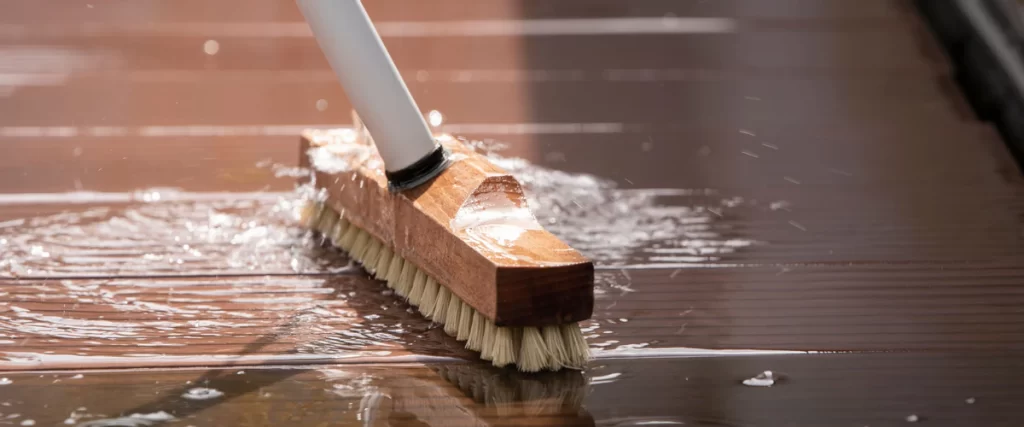
Here’s what makes a difference before spring storms arrive:
Clean out the gaps between boards. Leaves, pine needles, and dirt create dams that hold water against the wood. Get a putty knife and scrape everything out. It’s tedious but effective.
Check your flashing. The metal or composite strips that seal where your deck meets your house need to be intact and properly installed. If you see gaps, fix them now.
Trim back vegetation. Overhanging branches drop debris and create shade that prevents your deck from drying properly. They also scrape against your roof during strong winds, potentially damaging asphalt shingles and creating roof leaks that drip onto your deck.
Test the surface. Pour some water on your deck boards. Does it bead up and roll off? Good. Does it soak right in? Time to reseal.
Curious about sealing options? Check out our breakdown of top deck sealers that work well in Tennessee’s climate.
When Prevention Is Already Too Late
Sometimes you’re reading this article and thinking, “Yeah, I should’ve done all that last year.”
If you’re already seeing soft spots, extensive mold growth, or structural damage, surface repairs won’t cut it. You need someone who can assess whether the support structure is compromised.
Deck safety issues aren’t hypothetical. According to data on residential injuries, thousands of people get hurt every year from deck collapses and railing failures. Most of those failures started with water damage that went unaddressed.
The posts and beams that hold up your deck need to be solid. If they’re not, everything above them is on borrowed time, regardless of how good the deck surface looks.
The Hidden Costs of Doing Nothing
Let’s talk money for a second:
A quality deck staining job runs $500-$1,500 for a typical deck. Replacing a few damaged boards? Another $300-$800. Fixing some loose screws and minor structural issues? Maybe $800-$2,500 total.
Now compare that to full deck replacement: $15-$35 per square foot for wood, $25-$50 for composite. For a standard 300-square-foot deck, you’re looking at $4,500 to $15,000.
The math is pretty clear. Spending a couple thousand on maintenance and targeted repairs beats dropping fifteen grand on a complete rebuild.
But only if you catch the problems before they become structural. Once the foundation is compromised, minor repairs don’t help. You’re replacing the whole thing whether you like it or not.
What Spring Maintenance Should Look Like
March: Clear all winter debris. Check for any boards that loosened during freeze-thaw cycles. Tighten loose screws.
April: Power wash on a dry week (use a fan tip, not a concentrated stream). Let everything dry completely, then assess the stain condition.
May: If the deck doesn’t bead water anymore, restain. If it does, you can probably wait another year.
June: Final check before summer use. Look underneath the deck for any signs of rot or damage you missed earlier.
This schedule assumes you’ve got a deck in decent shape. If you’re starting from behind, you might need professional help to get caught up.
The Roof-Deck Connection You Can’t Ignore
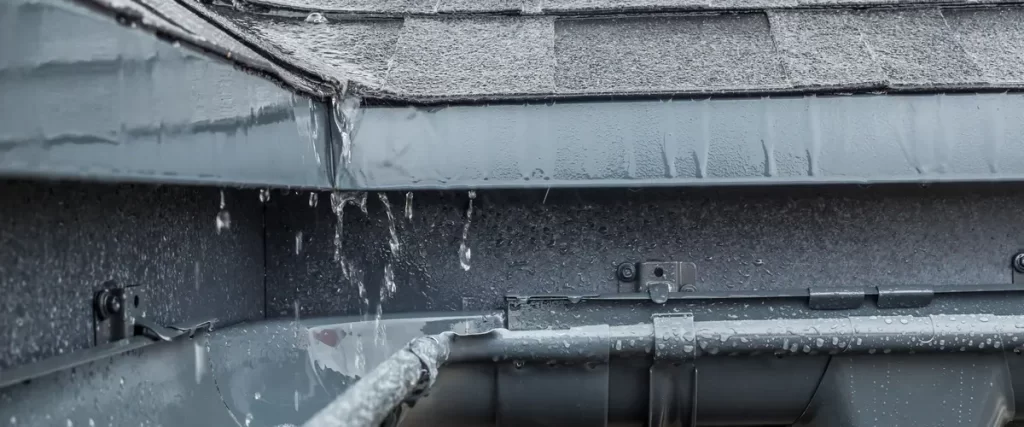
Your roofing contractor might not think about your deck when they’re up checking your asphalt shingle roof, but they should.
Water management starts at the top and works its way down. If you’ve got missing shingles, cracked shingles, or a sagging roof deck, you’ve got water getting past your roof’s first line of defense. That water runs down your exterior walls and onto whatever’s below.
Even issues like poor insulation and inadequate ventilation can affect your deck indirectly. Rising energy bills might tell you heat is escaping through your roof, but that same ventilation problem can create condensation issues that contribute to moisture damage throughout your home’s exterior.
For Tennessee homeowners, spring storms and summer storms hit hard enough that roof damage and deck damage often happen in tandem. A storm that tears off shingles is probably damaging your deck too. Get both checked.
Frequently Asked Questions
Does spring rain damage composite decks as badly as wood decks?
Not quite. Composite materials resist rot better than wood, but they still need proper drainage. Water that sits on composite decking grows mold and can eventually cause warping. The fasteners can corrode too. Less vulnerable than wood, not invincible.
How do I know if my deck’s structural integrity is compromised?
Press on different areas of your deck, especially near posts and along edges. Soft spots mean rot. Bounce a little – does the whole deck move more than it should? That’s a bad sign. Railings should be rock solid when you push them. Any wobble means something’s loose or rotting.
Should I worry about my deck if my gutters are clean?
Clean gutters help a lot, but they’re not the whole story. Your deck still needs a proper slope for drainage, adequate spacing between boards, and a good protective finish. Gutters prevent concentrated water flow, but your deck has to handle rainfall that lands directly on it, too.
Can I just paint over a deck that’s been damaged by spring rains?
No. If there’s rot or structural damage, paint just hides it temporarily. You need to fix the underlying problem first. Even for surface damage, paint over compromised wood will peel and bubble because moisture is trapped underneath.
How often should I restain my deck in Chattanooga?
Every 2-3 years for decks in full sun or exposed to our frequent rain. Shaded decks might stretch to 4 years. The test is simple: does water bead up or soak in? If it soaks in, it’s time.
What’s the difference between a deck that needs repair and one that needs replacement?
If more than 25-30% of your deck structure (not just surface boards) needs work, replacement usually makes more sense financially. If the support posts, beams, or ledger board are rotting, that’s replacement territory. Surface issues and isolated board damage are repairable.
Do I need a permit to repair storm damage on my deck?
Depends on what you’re fixing. Simple board replacement usually doesn’t require permits. Structural repairs often do. Check with your local building department. Better to ask than to do unpermitted work that causes headaches when you sell your home.
Maybe You’d Rather Not Deal With This
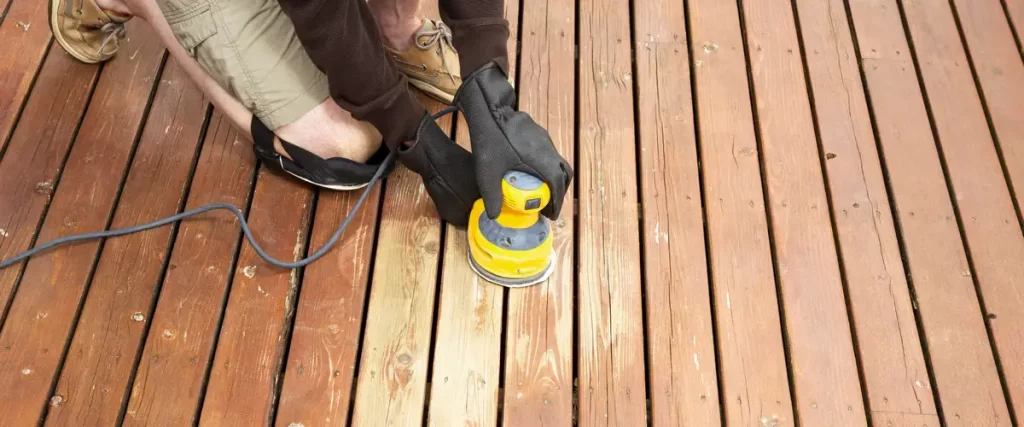
Look, we just walked through everything that can go wrong with your deck during Chattanooga’s spring rain season. The inspection process, the maintenance schedule, the warning signs of serious damage.
You could absolutely handle some of this yourself. Cleaning debris, tightening screws, maybe even replacing a board or two if you’re handy.
Or you could be honest with yourself about whether you’re actually going to do it.
Because here’s the thing: everyone has good intentions about home maintenance. Then life happens. Work gets busy. The kids have activities. The weather doesn’t cooperate on your free weekend. Before you know it, another spring has come and gone and you’re looking at the same problems, just worse.
We look at decks every single day. We know what storm damage looks like in its early stages versus when it’s too late for anything but replacement. We can tell you straight up whether your deck is salvageable or if you’re wasting money on repairs that won’t last.
If that sounds better than spending your spring weekends crawling around under your deck checking for rot, we’re here. Learn more about our deck repair services, and let’s figure out what your deck actually needs.
Call us at (865) 801-4545 or message us here.