

Deck Repair in Woodland Acres, Knoxville
Riverview Decks | Licensed & Insured |
(865) 801-4545 | NADRA Member |
Google Guaranteed
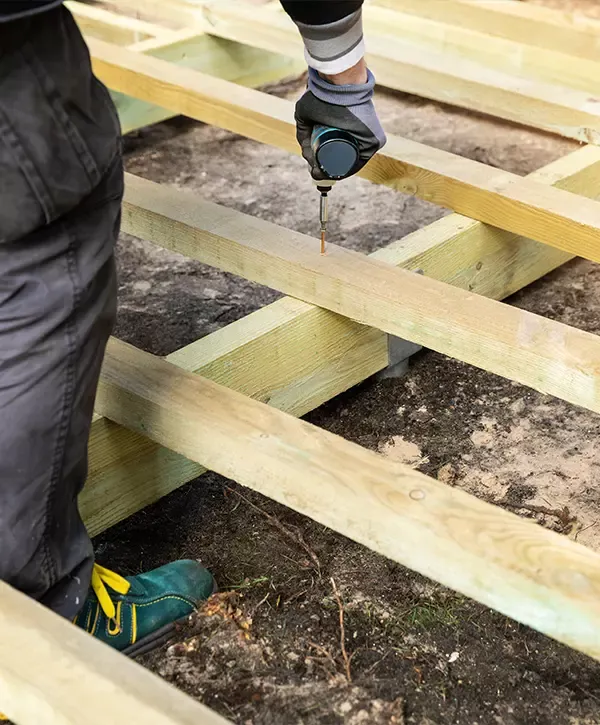
Woodland Acres has some of the most mature tree cover in Knoxville. The streets are shaded, the yards feel private, and the canopy is a big part of why people buy here. It also happens to be one of the harshest environments a wood deck can sit in.
Shade keeps decking surfaces damp for longer after rain. Leaf litter and organic debris collect in the gaps between boards and against the ledger, holding moisture against the wood for days at a time. Moss and algae establish themselves faster on north-facing or shaded surfaces. And because the problems develop slowly and evenly rather than as obvious sudden failures, a lot of homeowners in this neighborhood don’t notice how far the deterioration has gone until they step somewhere soft.
Riverview Decks handles deck repairs throughout Knoxville. If your deck has been sitting under that canopy for a decade or more, here’s what to look for and what fixing it actually involves.
- 160+ Projects Completed
- 21+ Years of Experience
- 36 Craftsmen and Women
- 100+ Projects Per Year
- Friendly and Dependable Service
- On-Time Completion
What the Tree Cover Does to a Deck Over Time
- Moisture retention: A deck in full sun dries out within a few hours of rain. A shaded deck under a closed canopy can stay wet for a day or two. Over years, that extended moisture exposure works into end grain cuts, fastener holes, and the undersides of boards where surface sealers don't reach. The result is rot that starts from the inside rather than the surface.
- Debris accumulation: Leaves, seed pods, and organic matter collect in the gaps between boards and in the corners where the deck meets the house. Piled debris acts as a sponge. The wood underneath it stays wet, and that's where rot starts. Decks with hidden fasteners are particularly vulnerable here because debris has nowhere obvious to fall through.
- Biological growth: Moss, algae, and mold colonize shaded surfaces faster than they would in full sun. Beyond the obvious slip hazard, biological growth accelerates surface degradation and can work into the wood fiber over time, particularly in softer wood species.
- Differential weathering: Parts of the deck that get occasional direct sun weather differently from the sections that never see it. This creates uneven movement as wood expands and contracts at different rates, which loosens fasteners faster and creates gaps where water collects.
What We Repair
- Decking surface: Replacing individual boards where damage is isolated, or full surface replacement where moisture has worked through the decking uniformly. On shaded decks with older pressure-treated or cedar surfaces, full replacement often makes more financial sense than patching because the remaining boards are at a similar point in their deterioration curve.
- Joists and subframe: Shaded decks tend to develop joist rot in predictable locations: at the ends nearest the ledger where debris piles up, and at any point where water pools due to poor drainage. We sister damaged joists where practical, or replace sections where rot is concentrated enough that sistering doesn't resolve it.
- Ledger connection: The ledger-to-house connection is the most common failure point on older attached decks, and in Woodland Acres, the combination of canopy moisture and original construction practices from the 1970s and 80s means a lot of ledgers were never flashed correctly. We repair failing ledgers, address any water damage found in the rim joist behind them, and install correct flashing so the same problem doesn't repeat.
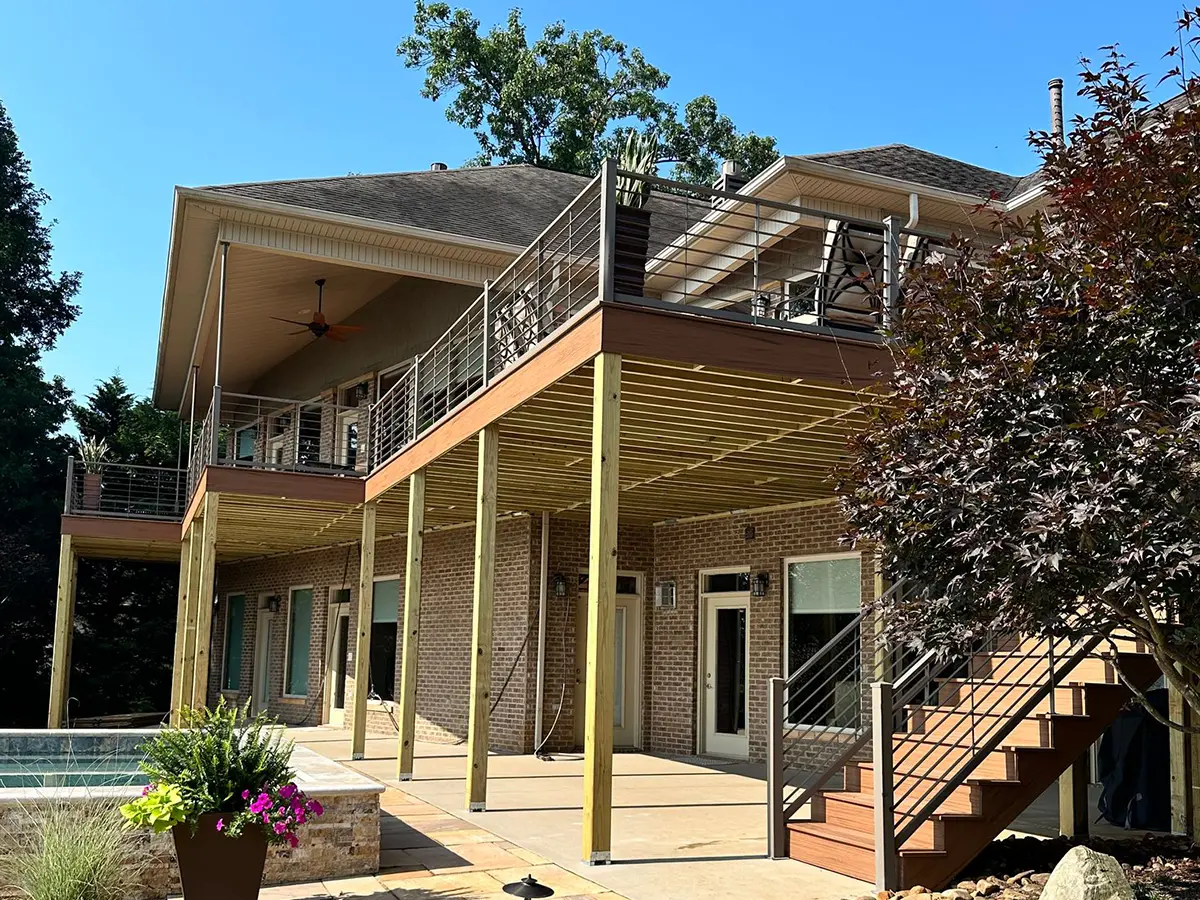
- Posts and footings: Post rot tends to develop at grade level where the post meets the concrete footing and moisture collects. We replace posts where the base has deteriorated and assess footing condition while we're at it.
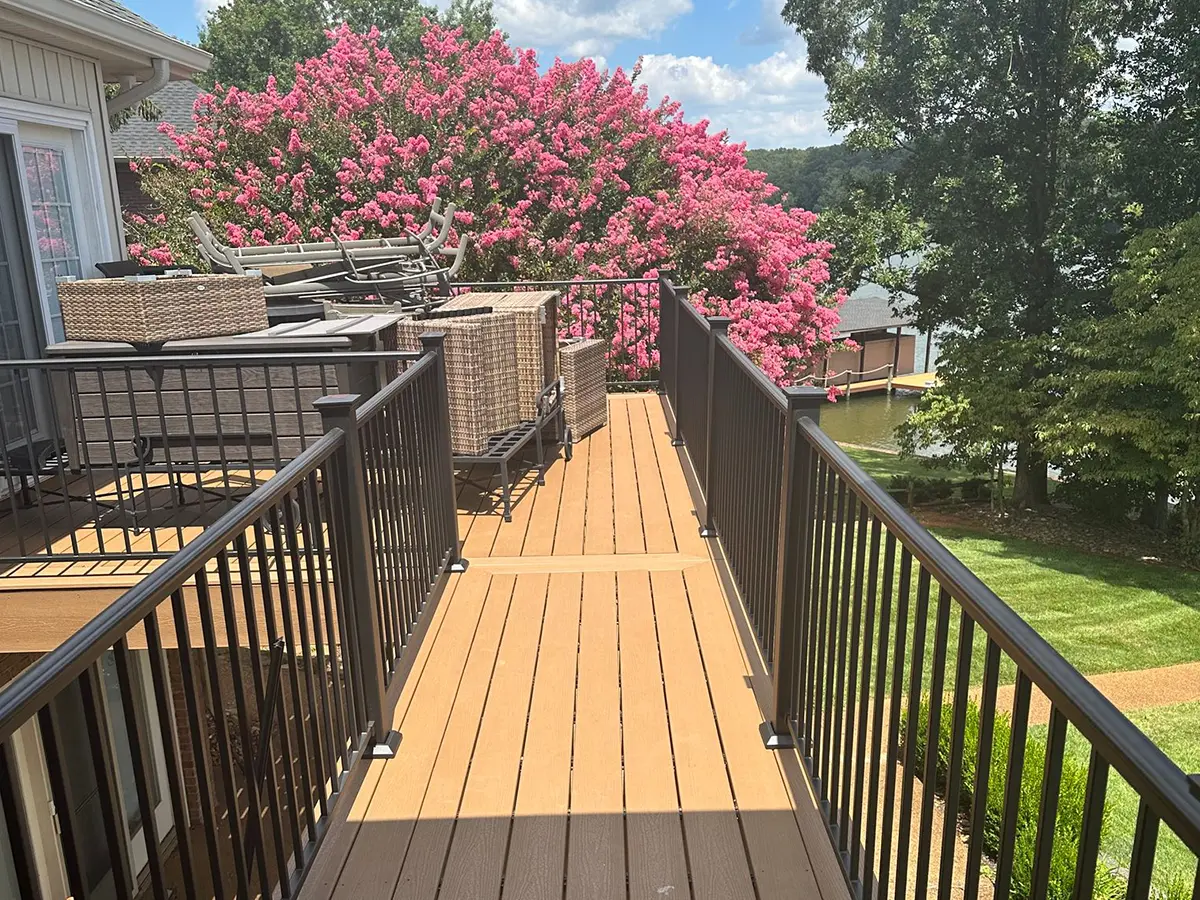
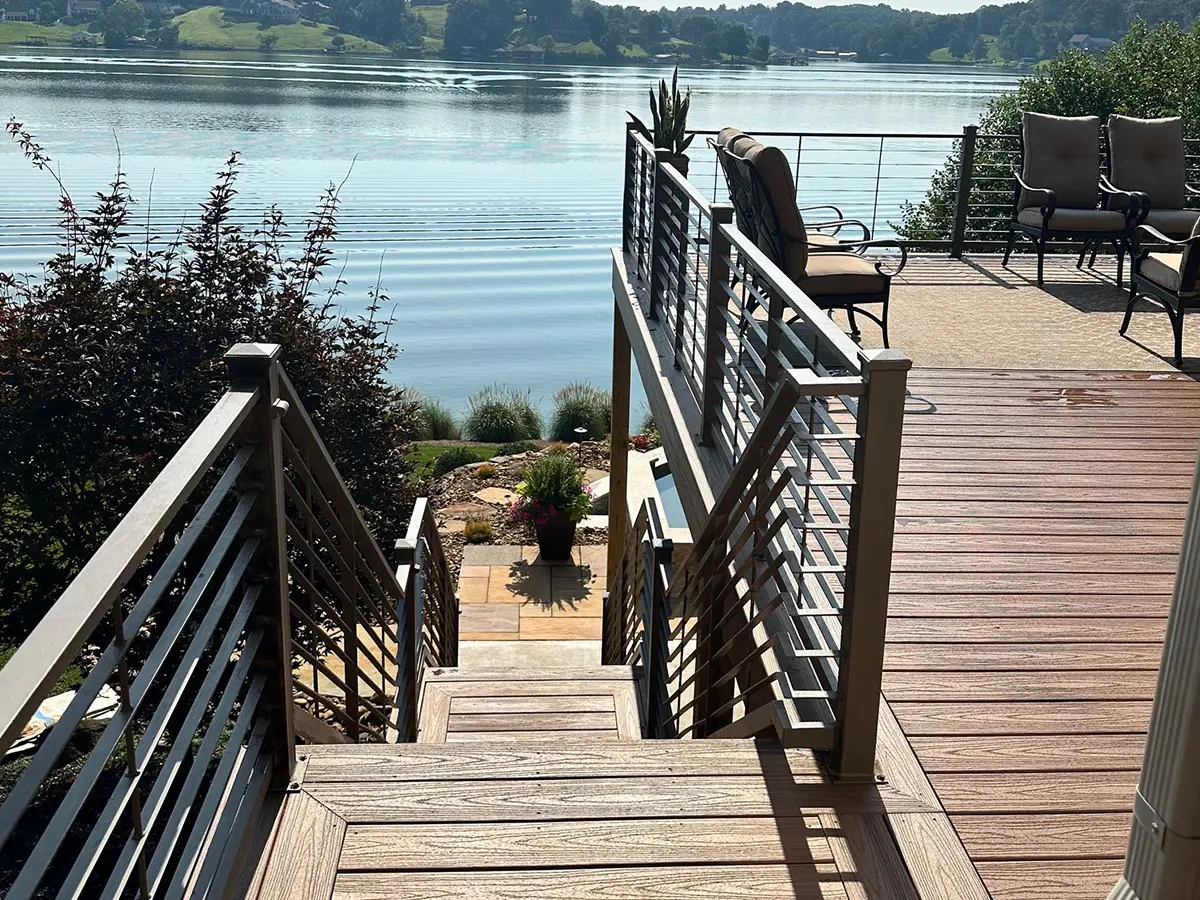
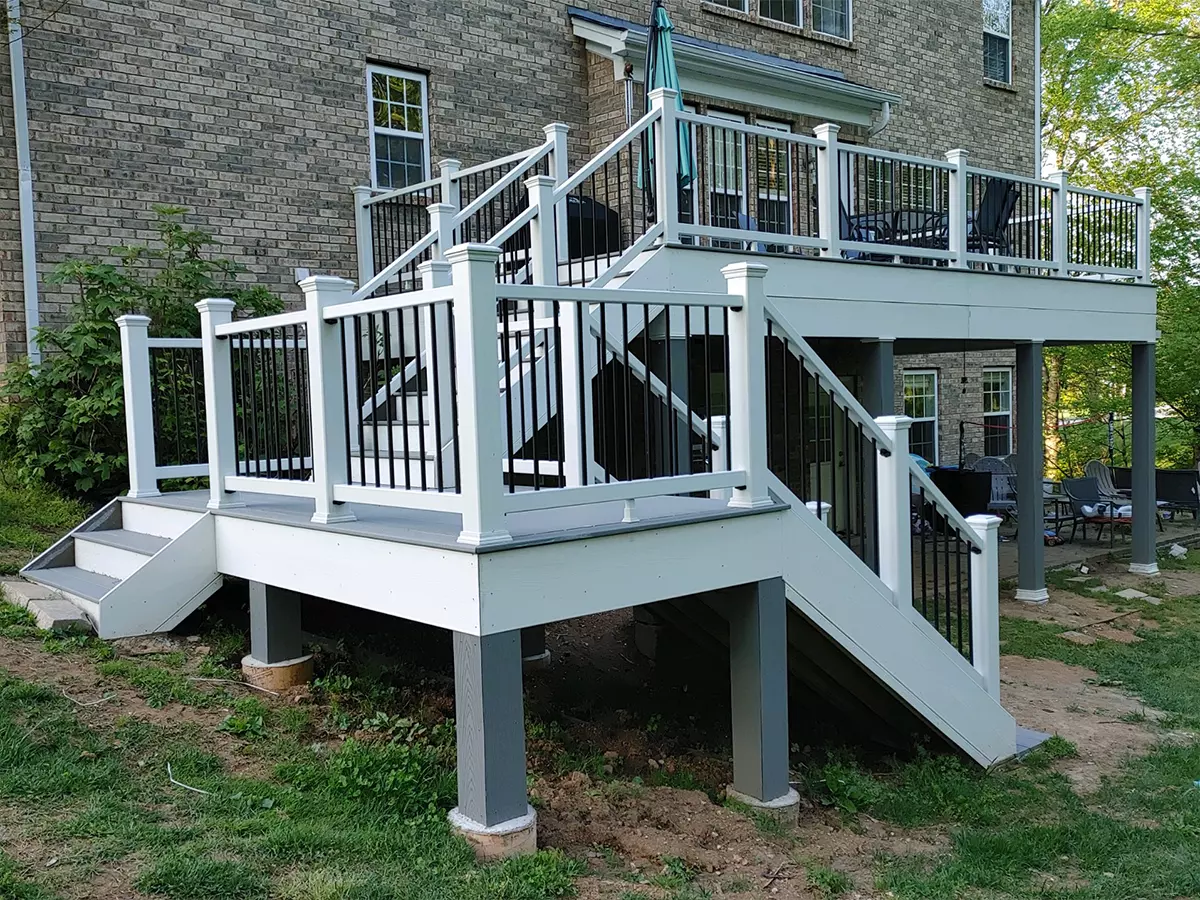
- Railings: Post bases rot in shaded environments faster than the rails themselves. Loose or wobbly railings are a safety issue first and a cosmetic one second. We replace post bases, individual posts, or full railing sections, depending on what the inspection finds.
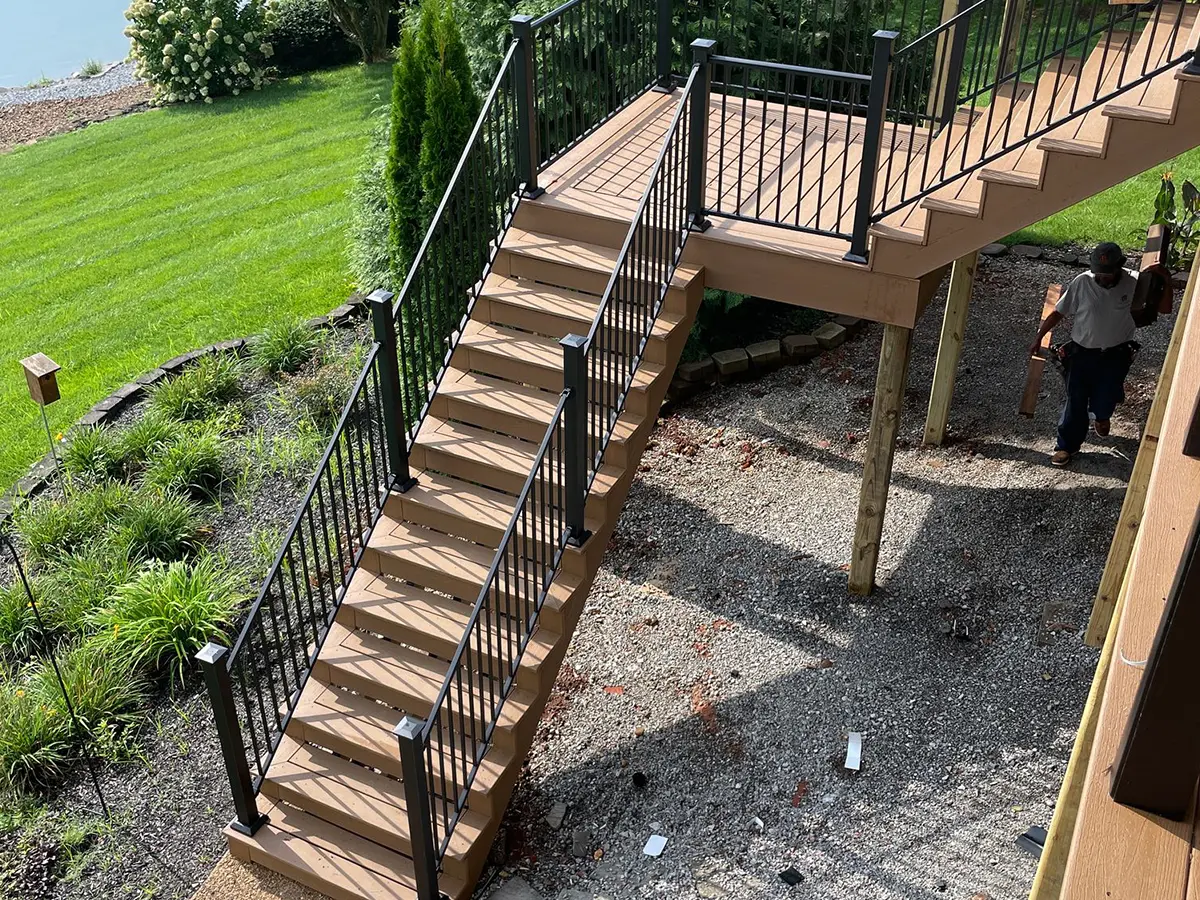
- Stairs: Stair stringers in contact with soil or sitting in debris are a common failure point on older Woodland Acres decks. We repair or replace stringers and treads based on structural condition.
200+
Decks Replaced
+21
Years of Experience
5-Year
Workmanship Warranty
How We Assess a Repair
We don’t quote repairs without seeing the deck. The visible surface tells you some of what you need to know, but the condition of the framing underneath is what actually determines whether a repair is worth doing and what it costs.
During the site visit, we look at:
- The decking surface for rot, cupping, splitting, and fastener pull-through
- The rim of the deck frame and visible joist ends for soft spots
- The ledger connection and any visible flashing or lack of it
- Post bases at grade and the condition of any exposed concrete footings
- The railing system for movement and post base deterioration
- Drainage patterns across the surface and where water is pooling
Repair Costs in Woodland Acres
There’s no useful table for repair costs because the range is too wide and too dependent on what we find under the surface. A few honest reference points:
Single board replacement runs $50 to $150 per board, depending on species and access. Railing post replacement runs $100 to $300 per post. Joist sistering is priced per linear foot. Ledger repair, which often includes addressing water infiltration damage to the house rim joist, is scoped after we open up the connection. Full surface replacement on a 12×16 deck in composite typically runs $3,500 to $5,500, depending on the framing condition found underneath.
We give you a written quote before any work starts. The quote specifies materials, scope, and a fixed price.
For a custom quote tailored to your project, contact us at (865) 801-4545. We’ll design a deck that fits your vision and budget.
What Our Customers Say
C
Carla Sharp
I am very pleased with my experience with Riverview Decks. They tore down a rotten, wooden deck and replaced it with a beautiful deck with Trex material. From the initial consult to the final walk-thru, they were very professional.
They worked with me to plan the layout of my deck and stayed within my budget to give me a deck I love. They showed up when scheduled and left my property clean when they completed the job. I would recommend them for any decking needs.
C
Clayton Farrell
Nate was great to work with, very professional and friendly. He listened to what we wanted and designed the perfect deck for us. He replayed promptly to us with any info about the project. We would recommend him to anyone looking to have their deck redone!
Frequently Asked Questions
My deck looks okay from the top but feels soft in spots. What does that mean?
How much of a shaded deck's deterioration is visible from the surface?
Do I need a permit for deck repairs in Knoxville?
How long does repair work take?
Surface and railing repairs typically run one to three days. Structural work depends on what we find underneath. You’ll have a realistic timeline in your written quote before we start.
My deck was built in the 1980s and never permitted. Is that a problem?
Can you improve drainage on a shaded deck while you're repairing it?
Serving Woodland Acres and South Knoxville

Nate Burket
Schedule a Site Visit
Call (865) 801-4545 or fill out our contact form to have us come out and look at your deck.
Riverview Decks 620 N Campbell Station Rd #32, Knoxville, TN 37934 | Mon – Sun, 7AM to 9PM (865) 801-4545 | info@riverviewdecks.com
Knox County Codes Administration | Online Permit Portal — permit requirements for residential structural repairs and the online application portal.
Tennessee Residential Permits — statewide code requirements for residential structural work.