

KDHT vs. KDAT For Deck Framing
These days, everyone building a deck is looking for the most durable and resistant framing options.
But if steel framing is out of budget (and too extra) and you can’t find accessible pressure-treated lumber in your city, what’s next?
This is where our next best options come in, KDHT vs KDAT.
Let’s see why they’re so great, or NOT so great.
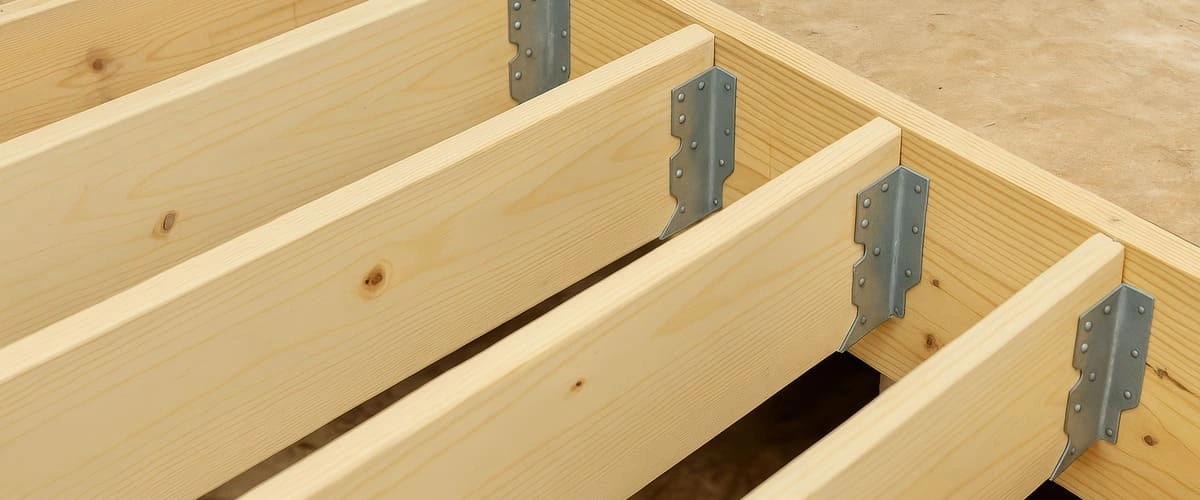
KDHT: Kiln-Dried Heat-Treated Wood
Kiln-Dried Heat-Treated lumber is one of the best materials for framing, but it’s generally used for interior framing (e.g. homes).
As the term states, this is lumber that is dried in a kiln slowly over a period of time, to approximately 18% moisture.
If it would be dried faster, it would cause the wood to split and crack.
It’s also heat-treated to extremely high temperatures so that every insect or larvae inside of it dies.
Other things to know about KDHT are…
- Application: Rarely used for decks as KDHT is not treated to withstand the elements. It also not made for ground contact
- Insect & Fungus Free: Because it's heated to extreme temperatures, no fungus or insects make it out alive. This is the main reason KDHT lumber is used in international exports and imports.
- Strength: The kiln-drying makes KDHT lumber extremely strong, which is why is preferred in structural applications like house framing
KDAT: Kiln-Dried After Treatment Wood
This other option is a lot better for outdoor use.
Just like KDHT, this type of lumber is dried slowly in a kiln, but then it is treated to withstand the elements and make it more durable against rot.
Because it’s dried but also treated, KDAT is more stable than pressure-treated lumber, so it won’t warp, crack, or split, but it’s also more resistant to rot.
Other things to know about KDAT are…
- Performance: It is easier to work with than pressure-treated lumber because it's lighter
- Finish-Ready: Unlike pressure- treated lumber that requires weeks to dry before finishing, you can stain, seal, or paint KDAT lumber immediately.
- Cost & Availability: KDAT lumber is a more premium option than SYP or pressure-treated lumber, but it is also harder to find.
KDHT vs KDAT
KDHT
- Kiln-dried, so it's very strong
- Heat-treated, so it has no insects
- Not chemically treated, rot can occur
- More affordable than KDAT
- Not great for outdoor use
- Not very environmentally friendly
KDAT
- Kiln-dried, so it's very strong
- Also heat-treated against bugs
- Chemically treated, so immune to rot
- More expensive than other lumber
- Perfect for outdoor use like decks
- Not very environmentally friendly
What's the Better option for deck framing?
You all know the weather we’re getting here in Knoxville, TN.
Sun can be blasting on your deck one day and drenched in rain the next.
We definitely need a type of deck framing material that can withstand all sorts of weather.
Fortunately, KDAT does that, and a lot of our clients here at Riverview Decks choose this premium option.
Sure, it’s more expensive, but it always pays off in the long run in less repairs and less maintenance.
Alternatives to KDAT Framing
SYP - Southern Yellow Pine
The Southern Yellow Pine is very popular here in Knoxville, TN, which is why a lot of contractors use this material for decking.
It is a high-density, strong, durable, and resinous softwood, that takes wood preservatives very well. However, it does have some drawbacks, like twisting or warping when it’s not dried properly or rot when it’s left untreated.
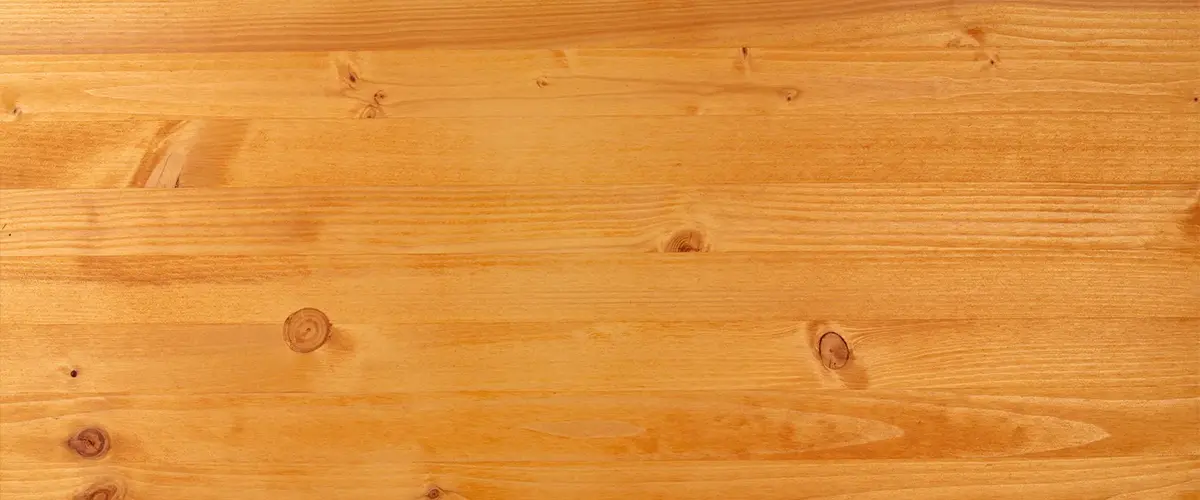
Green Lumber
Green lumber is typically fresh cut wood that contains a very high percentage of moisture, of up to 90%. This causes this type of wood to warp, shrink, bend, or crack when it starts drying, so it’s not as safe to use on decks.
That being said, green lumber is one of the cheapest deck framing materials on the market, but we always advise against it.
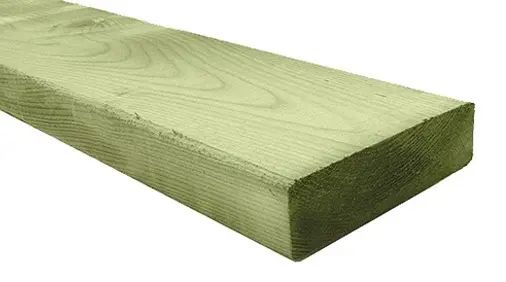
#1 Pressure-Treated Lumber
Pressure-treated lumber is one of the most popular deck framing materials on the market, and for good reason.
Pressure treated wood has preservatives applied to it and then is placed in a highly pressurized chamber. The high exterior pressure forces the preservative chemicals deep into the pores of the wood, giving it immense strength against rot, insects, larvae, and fungi.
The only issue? Pressure-treated wood is not kiln-dried, so it will shrink, and that can cause structural problems on your deck.
Owens' Corning Fiberglass
Owens’ Corning Fiberglass framing (or OC framing) is the best deck framing material if you want your deck to outlive your decking surface. It’s a solid choice that will last decades without needing any maintenance or repairs.
However, it is the most expensive framing material you can put your hands on.
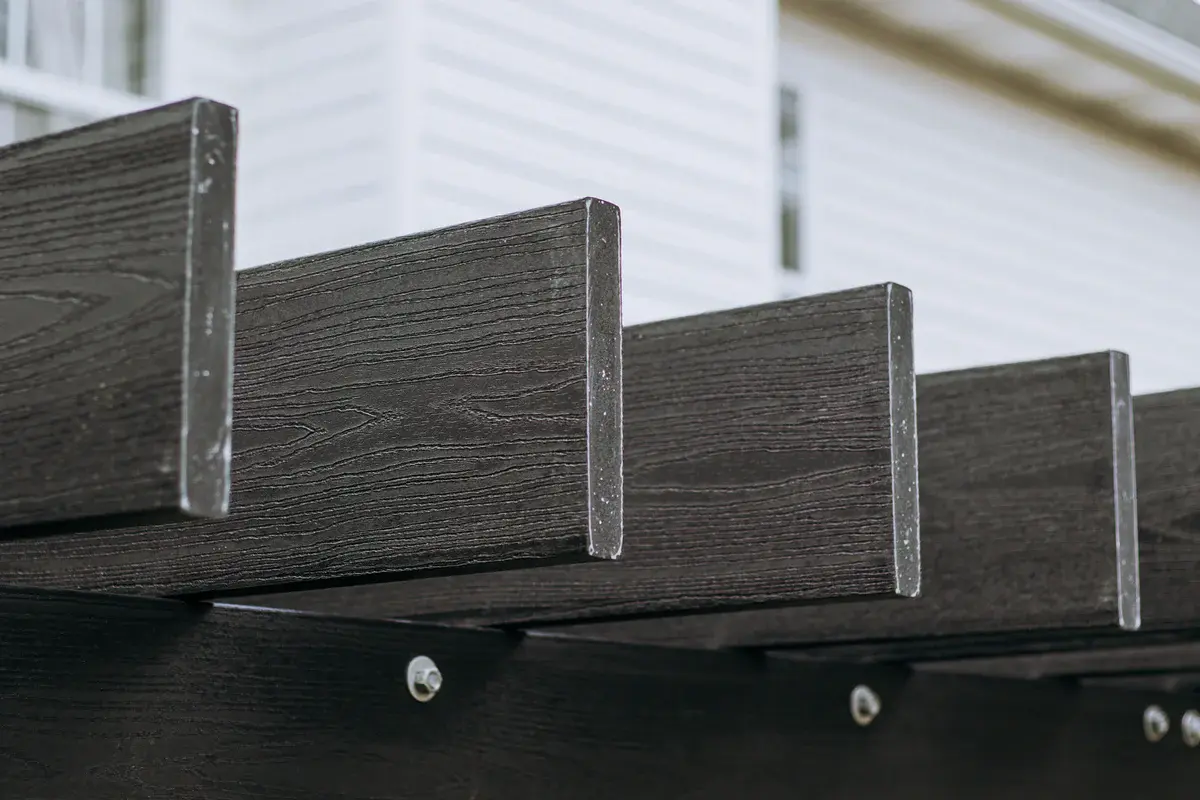
Cost Of Framing A Deck With Different Types Of Wood
Deck Framing Cost (Quick)
Estimate framing lumber cost from square footage (joists + rim + blocking, 16" O.C., +10% waste).
So, KDHT or KDAT For Your Deck?
Well, the answer should be very simple by now.
If you want a high-quality framing material that will last decades and you’ll never have to repair it, go with KDAT.
It’s more expensive, but it’s worth every single dollar.
If you’re on a tighter budget, KDHT can be an option, although we wouldn’t necessarily recommend it.
You might as well go with a grade #1 pressure-treated lumber that’s just as affordable, but more reliable.