

The way people think about their decks has completely changed over the past few years.
What used to be a simple wooden platform out back has turned into something much more thoughtful. These outdoor spaces now flow naturally from inside the house, and honestly, that’s exactly how they should feel.
If you’ve been paying attention while driving through neighborhoods lately, you’ve probably noticed decks that look nothing like what we were building five years ago.
The trends shaping up for 2026 show that people finally understand how they actually want to use these spaces, and the materials available now make those ideas possible.
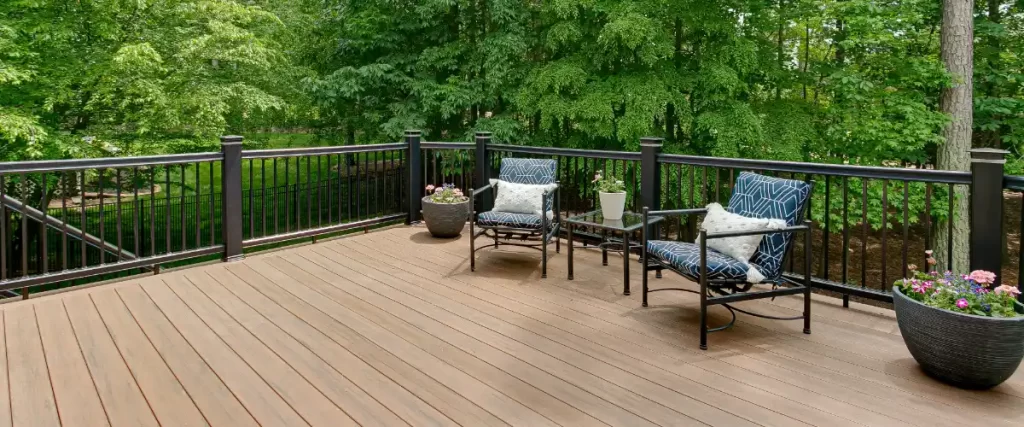
1. Bringing Nature Into the Design (Biophilic Style)
There’s this whole movement around biophilic design, which is just a fancy way of saying we’re trying to connect outdoor living spaces back to nature. And it makes sense. People feel better when they’re surrounded by natural elements.
The smart designers are weaving decks around existing trees instead of cutting them down. They’re adding raised planters that actually look like they belong there, not like afterthoughts. Natural stone accents help the deck blend into the yard rather than standing out like a sore thumb.
The materials have caught up to this idea too:
- Earthy Color Palettes: Rich, organic hues like warm browns (walnut, mocha) and smoky red-browns are replacing industrial grays, making your deck feel like part of the landscape.
- Matte Finishes: These give you texture and interest without that fake glossy look.
- Integrated Greenery: Vertical gardens, planters built into railings, and incorporating native plant landscaping are essential for that calming, restorative feel.
You’ll see way more of these nature-inspired tones this year. The goal is to make your outdoor space feel like it grew there naturally.
2. Creating Different Zones That Actually Work
Nobody wants a deck that’s just one big empty rectangle anymore. The multi-zone layouts getting popular now carve out different spots for different things, all on the same deck. This design adds visual interest and enhances usability, especially in compact backyards.
Picture this: a dining area close to the house where you can grab food from the kitchen easily, a lounging spot with built-in seating that catches the afternoon sun, maybe a more private corner for a hot tub with some screening around it. They all flow together but serve completely different purposes.
Wide stairs have become a game-changer. Instead of those narrow steps that are only good for getting up and down, people are building broad staircases that double as casual seating.
Toss some cushions on there during a party and suddenly you’ve got extra spots for people to hang out. Add some integrated lighting along the risers, and they look pretty sharp, too.
A small step down here, a planter box there—these little touches (sometimes called multi-level design) separate the zones without making the deck feel chopped up. You can tell where the dining area ends, and the relaxing area begins, but it still feels like one cohesive space.
3. Materials That Don’t Eat Up Your Weekends
Composite decking has really hit its stride. The stuff they’re making now has solved most of the old complaints about heat, fading, and that obviously fake appearance. In 2026, low-maintenance, sustainable materials remain the top trend, driven by environmental awareness and a desire for less upkeep.
What’s interesting is these composite boards often use recycled materials, so you’re getting something environmentally friendly that also requires minimal upkeep.
No sealing every year. No splinters. No warping. The colors stay consistent even in brutal sun. Brands like Trex and TimberTech continue to innovate with capped composite and PVC options that offer industry-leading warranties (up to 50 years on some PVC lines).
The global composite decking market is expected to grow significantly, proving that homeowners prioritize durability and longevity. When you actually sit down and calculate what you’d spend on staining and sealing a wood deck every couple years, composite pays for itself pretty quick. Plus you get your weekends back.
Natural materials still show up, just in smarter ways. Natural stone around a fire pit looks incredible. Wood furniture adds warmth. But for the deck surface itself? Most people are going low-maintenance these days.
4. Lighting That Sets the Mood (Smart Integration)
Built-in lighting has gone way beyond those basic solar stake lights stuck in the ground. The systems you can get now let you control everything from your phone and completely change the vibe of your deck. This is part of the Smart Decking Solutions trend, integrating technology seamlessly.
LED strips under the stairs. Post cap lights. Under-rail fixtures. In-deck lighting. You layer all these together and suddenly your deck is usable well into those quiet evenings when you just want to sit outside. Modern designs focus on layered, subtle, indirect lighting:
- Recessed Fixtures: Embedded in the deck boards and steps for safety and a polished look.
- Under-Rail/Under-Bench Lighting: Creates a soft, floating effect and ambiance.
- Smart Controls: App-controlled lighting and dimmers allow you to change brightness or even color for different occasions, making the space flexible.
Even better, smart systems can include built-in power (USB/standard outlets) hidden in benches or railings for device charging, making the deck function like an actual outdoor room.
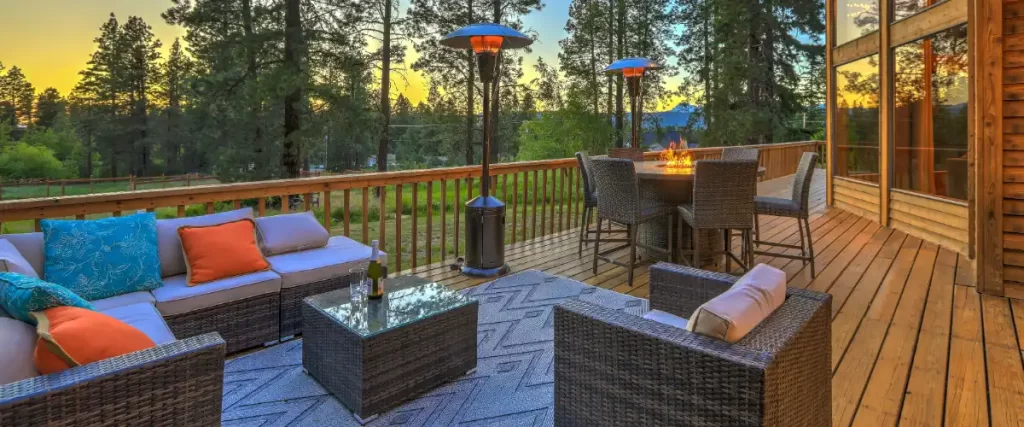
5. Built-Ins That Feel Intentional
There’s a big move toward building features right into the deck instead of buying separate furniture that you’ll replace in five years anyway.
Integrated built-ins show up in all kinds of creative layouts. L-shaped benches with storage underneath. Curved seating that wraps around the perimeter. Even tiered seating, like stadium seats, if your property has a view worth watching.
Planters integrated into the railings and deck edges bring greenery right up close. These aren’t flimsy boxes bolted on as an afterthought. They’re structural elements that were part of the design from day one, providing natural privacy while softening all those hard edges.
Outdoor kitchens have become pretty standard if you’re doing a serious deck build. We’re talking full setups with counters, storage, refrigeration, sinks, the works. When cooking becomes a main feature of your deck, you’re really committing to the outdoor entertaining lifestyle.
6. Keeping the View Open (Minimalist Railings)
If you’ve got a nice yard or water view, the last thing you want is a railing blocking it. Clean, minimalist railings are trending to maximize sightlines and keep the view open.
- Glass Panels: These frameless systems basically disappear, meeting all safety codes while allowing you to enjoy your surroundings even when you’re sitting down.
- Cable Railings: Horizontal stainless steel cables offer necessary protection while keeping visual interruption minimal, perfect for modern decks with clean lines.
- Slim Metal Balusters: Narrow metal posts provide a less visually heavy barrier than traditional wood.
Your railing choice influences the whole deck feel. Glass and cables pair naturally with contemporary composite in grays or darker shades. Traditional wood railings still work great if you’re going for natural warmth and classic style.
7. Adding Interest With Pattern and Dual Tones
Why run all your decking boards in boring parallel lines when you could do something more interesting? Patterned layouts have caught on as people look for ways to make their decks feel custom and deliberate.
Herringbone, diagonal layouts, and picture frame borders around the perimeter. These patterns really shine on bigger decks where straight boards would just look monotonous. The trend for Wide Boards also creates a cleaner, more expansive look with fewer seams.
Dual-tone finishes using two different board colors have become a signature move:
- Dark Perimeter, Light Center: Creates a framed effect and defines the deck edges.
- Alternating Colors: In diagonal patterns, this adds visual depth and sophistication.
- Border Framing: Highlights specific areas like a dining zone or where the fire pit sits.
The options multiply when manufacturers offer eight or ten color choices. Just know that patterned installations need proper planning. The framing requires extra support where boards meet at angles. This is where professional installation matters because doing it wrong leads to squeaks, bouncing, and boards that fail early.
Making These Ideas a Reality
All these trends for 2026 look great on paper, but getting from inspiration photos to an actual deck that works requires real expertise. Figuring out which colors work best with your home’s exterior, knowing which materials handle your local climate, and ensuring all those built-in features meet code takes experience.
We here at Riverview Decks keep up with what’s trending while staying grounded in what actually works.
We’ve built enough decks to know which ideas translate into spaces you’ll love versus those that sound good but don’t function in real life. Our deck building approach mixes current style with construction methods that keep your outdoor space looking good and working right for decades.
Want to talk about which of these ideas make sense for your property? Call us at (865) 801-4545 or message us here and we’ll figure out what works for your space, your budget, and how you actually want to use your deck.