

When the cold months settle in, small gaps around the home start to feel much bigger. Drafts move through spots near windows and doors, moisture hangs onto exterior joints, and older sealant becomes firm enough to crack.
At that point, many homeowners start wondering if sealing during winter is even possible. It absolutely can be, as long as you use a weather sealant that handles low temperatures well.
Winter sealing helps protect wood, metal, masonry, and siding from moisture damage and the freeze-thaw cycles that show up every day once temperatures rise and fall.
The key is choosing the right cold-weather sealant, since many standard sealants struggle to bond when surfaces feel cold. A little planning goes a long way, and a good winter-friendly product can save you from costly repairs later.
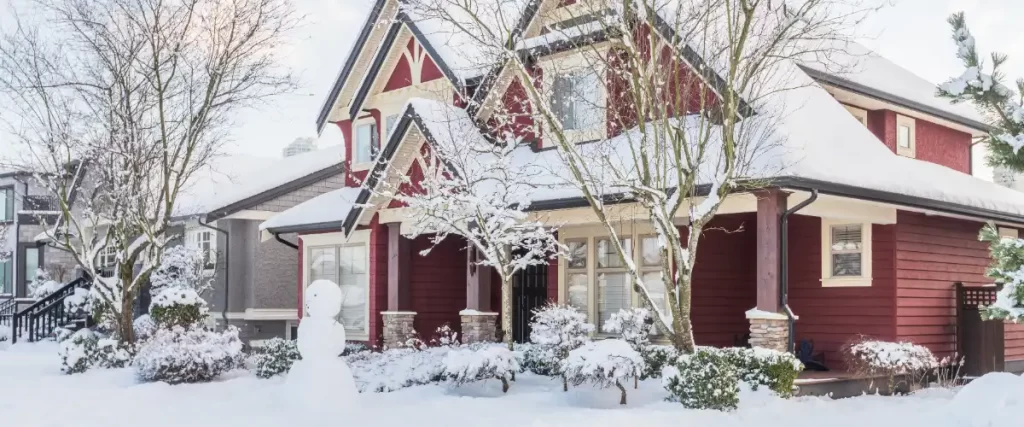
How Cold Weather Changes Sealant Performance
Cold weather affects sealants in a few simple ways. Material thickens, curing slows down, and many products lose flexibility.
If a sealant becomes stiff too quickly, it cannot move when the surrounding material expands and contracts. Surface temperature matters just as much as air temperature, because a cold surface makes it harder for the sealant to create proper adhesion.
Moisture also lingers longer in winter. Snow melts during the day, refreezes at night, and keeps the surface from staying completely dry for long. That means the best sealers for winter application need strong moisture resistance, along with the ability to stay workable even in cold conditions.
Sealants that perform well in cold weather tend to give you:
- flexibility after curing
- good adhesion on cold surfaces
- strong resistance to cracking
- protection against moisture exposure
These qualities help the sealant last through winter and stay intact when temperatures swing.
Silicone Sealants: A Reliable Cold Weather Option
Silicone sealants are often the first choice for winter applications. They stay flexible, they tolerate freezing conditions, and they bond tightly to surfaces like metal, glass, and wood. Homeowners use them around windows, doors, siding joints, and places where drafts sneak in.
Silicone holds up well in severe cold because it does not stiffen the way many standard sealants do. Once cured, it continues to bend and stretch during expansion and contraction. That helps prevent cracks that invite water intrusion during the winter months.
Silicone also handles UV rays better than other options, which means it stays durable even on surfaces with direct sun exposure. It costs more than acrylic sealants, but the performance in freezing temperatures usually makes the investment worthwhile.
Polyurethane Sealants for Strong Adhesion
Polyurethane sealants offer excellent adhesion and are durable in cold weather. They bond well to wood, metal, masonry, and other rough surfaces. Many contractors rely on polyurethane when they want a strong, long-lasting seal on exterior joints.
Polyurethane stays flexible enough to handle movement, and it performs well when temperatures drop. It thickens a little in colder weather, so the application can feel slower, but warming the tube indoors for a few minutes helps it flow more easily.
Once cured, polyurethane holds up during freeze-thaw cycles and remains effective in areas with constant exposure to water, ice, and snow. It is a good option when you want strength and flexibility at the same time.
Acrylic Sealants and Cold Conditions
Acrylic sealants are easy to apply and easy to clean up, but they are not always suitable for freezing temperatures. Acrylic tends to lose flexibility when it gets cold, which increases the risk of cracking. For indoor winter projects, acrylic works well. For outdoor use, silicone or polyurethane usually makes more sense.
Acrylic can still be used outdoors if the weather stays above freezing and the surface remains completely dry. Those conditions are rare during the cold months, which is why most homeowners rely on other options for winter sealing.
Oil-Based Sealants
Oil-based sealants offer durability, but they cure slowly in cold weather. They can also become thick and stubborn to apply when temperatures fall. Because of the long curing time, oil-based products are usually saved for spring or warmer months.
If the space absolutely needs to be sealed in winter, homeowners typically choose silicone or polyurethane instead.
Choosing the Right Cold Weather Sealant
A good winter-friendly sealant depends on your project and the type of surface you are sealing. Some materials need flexibility, while others need strong adhesion above everything else. The size of the gap, the level of moisture exposure, and the temperature at the time of application all matter.
Silicone works well for small gaps, windows, and moisture-heavy areas. Polyurethane is helpful for wood, metal, and uneven exterior joints. Acrylic works indoors. Oil-based sealants are more suitable for warm weather.
Homeowners usually make their choice by asking:
- What surface needs sealing?
- How cold will it be during the application?
- Does the surface get regular snow or moisture?
- Does the gap need a flexible seal or a rigid one?
Manufacturers list their recommended temperature ranges on the packaging. Following those guidelines helps the sealant bond correctly and stay durable.
Tips for Applying Sealants During Winter
Applying sealants in winter feels different from doing the same job in spring. Everything moves more slowly. The material is thicker. Surfaces feel damp longer. A few simple steps help the process go more smoothly.
Many homeowners warm the tube indoors for a short time before sealing it outside. This helps the sealant flow better. Cleaning the surface thoroughly is important because dust and old sealant interfere with adhesion. The surface should be dry, even if you need to towel-dry it right before applying the product.
Snow, ice, and frost need to be removed as well. A soft brush helps clear loose snow, and the area should feel room-temperature dry before applying anything. Even a thin layer of frost can prevent proper adhesion.
Small gaps are easier to seal in winter because the material doesn’t have to fill deep or wide spaces. Larger joints can be sealed, but the work might take more time because of the slower curing.
Some homeowners use painter’s tape on either side of the joint to keep the sealant neat. It makes cleanup easier, especially when cold weather makes the sealant a bit less predictable.
Places Around the Home That Benefit From Winter Sealing
Winter sealing protects more than windows and doors. Many areas around the home experience temperature shifts that cause cracks or small openings.
Common spots include:
- exterior wood trim
- siding joints
- entry doors
- porch posts
- small masonry cracks
- railings or stair trim
- attic or crawlspace entries
Any point that faces cold weather, expansion, or moisture exposure can benefit from a fresh seal during colder months.
Winter Sealing Helps Avoid Bigger Repairs Later
Winter months bring regular freeze-thaw cycles. Water expands when it freezes, and this expansion can widen small cracks and push old sealant out of place. Once the seal is lost, water enters the gap and causes further damage. This cycle continues until the weather warms up.
A good cold-weather sealant interrupts the cycle early. It blocks water intrusion, prevents the crack from widening, and keeps the joint protected until you decide to refresh the seal again in warmer weather.
Homeowners who seal trouble spots in winter often notice fewer drafts, less moisture buildup, and better insulation overall.
When a Professional Approach Makes More Sense
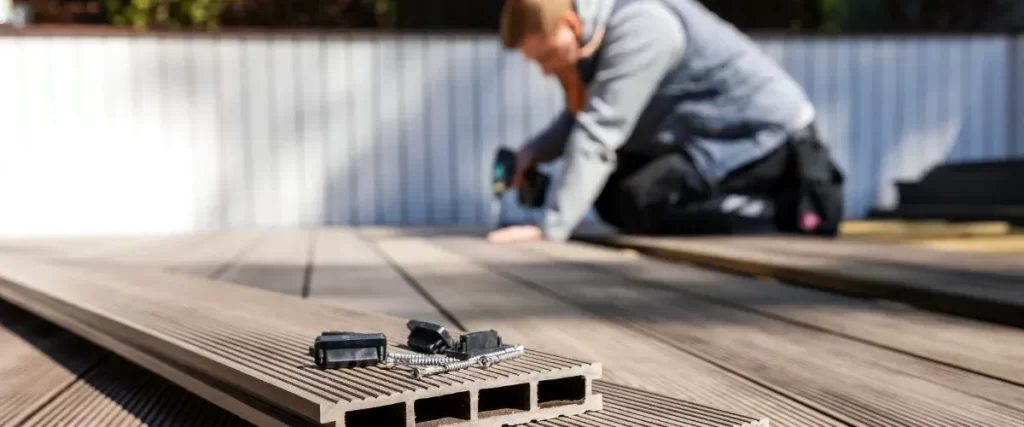
Sealing projects can look simple at first. Then the temperatures drop, the surface refuses to dry, and the sealant takes longer than expected to cure. Applying sealants outdoors in winter takes patience and a careful eye. Many homeowners prefer to have a team handle the work so the seal bonds well and lasts through the season.
Riverview Decks works with outdoor materials year-round, so winter sealing around deck structures, trim, and outdoor spaces feels routine for the team. If you prefer to skip the trial-and-error and have someone complete the work correctly the first time, that is always an option.
If you want a hand getting your outdoor living space ready for winter or need help sealing areas around your deck, call us at (865) 801-4545 or message us here. And if you’re thinking about building or upgrading a deck in the future, you can take a look at our deck building page to see what Riverview Decks can do.