

The air is getting crisper, and the leaves have finished falling. Winter brings a quiet beauty to the backyard. It also brings harsh conditions that can take a toll on your outdoor living space. Snow, ice, and freezing temperatures test the durability of your home’s exterior.
Your deck is an investment. It provides a place for summer barbecues and autumn gatherings. You want to ensure it remains safe and beautiful when spring arrives. Preparing for the colder months prevents costly repairs down the road. A well-maintained deck lasts for decades. A neglected one can succumb to moisture damage in just a few seasons.
Inspecting the Structure Before the Freeze
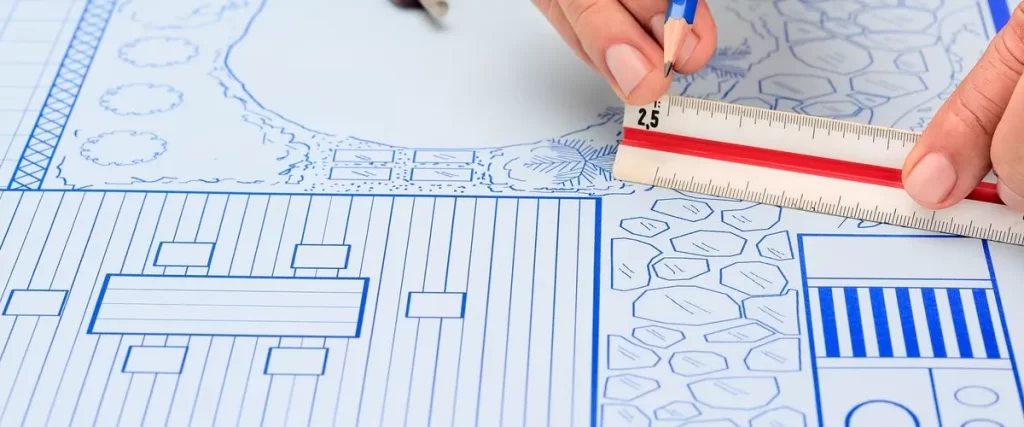
You should start your winter preparation with a close look at the deck’s structure. Walk around the perimeter and check the ledger board where the deck attaches to the house. This connection must be secure.
Check the surface for loose or damaged boards. Wood expands and contracts as the weather warms and cools. This movement works nails and screws loose over time.
- Tighten loose screws to ensure the boards stay flat.
- Hammer down loose nails that might snag a shovel later.
- Replace cracked boards that could splinter further when frozen.
Loose hardware compromises the deck’s structural integrity. Addressing these small issues now keeps the deck safe. It also makes snow removal much easier when the surface is even.
Clearing Debris and Cleaning
Fallen leaves and pine needles create a breeding ground for rot. When wet leaves sit on deck boards, they trap moisture against the wood fibers. This persistent dampness encourages mold growth and algae.
Clear the deck completely. You can use a broom or leaf blower to remove organic material from the gaps between the boards. Proper drainage is vital. If the gaps are clogged, water pools on the surface and turns to ice.
- Remove organic debris from corners and crevices.
- Move planters to storage or elevate them on stands.
- Store outdoor furniture to prevent rust and mildew.
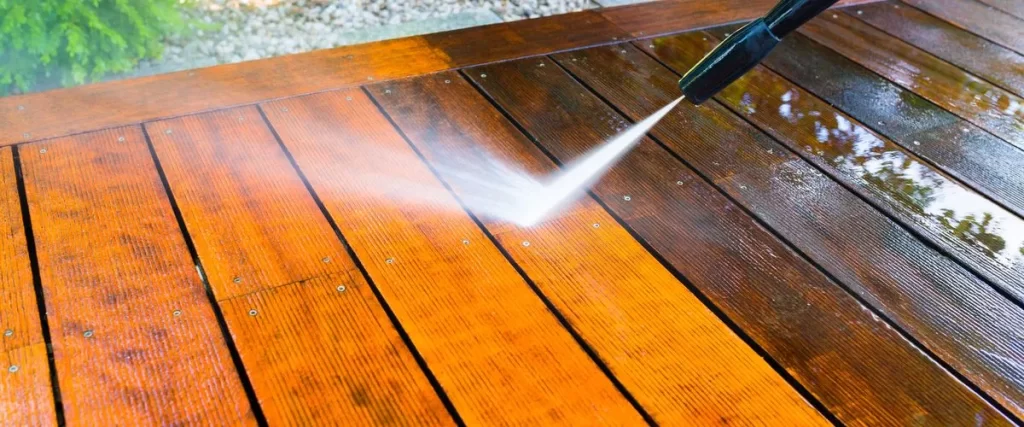
Once the deck is clear, it needs a thorough cleaning. You can use a mild deck cleaner to wash away dirt, pollen, and mildew spores. Scrub the surface with a stiff-bristle brush. If you choose to use a pressure washer, keep the setting low to avoid damaging the wood grain.
Protecting Wood Decks
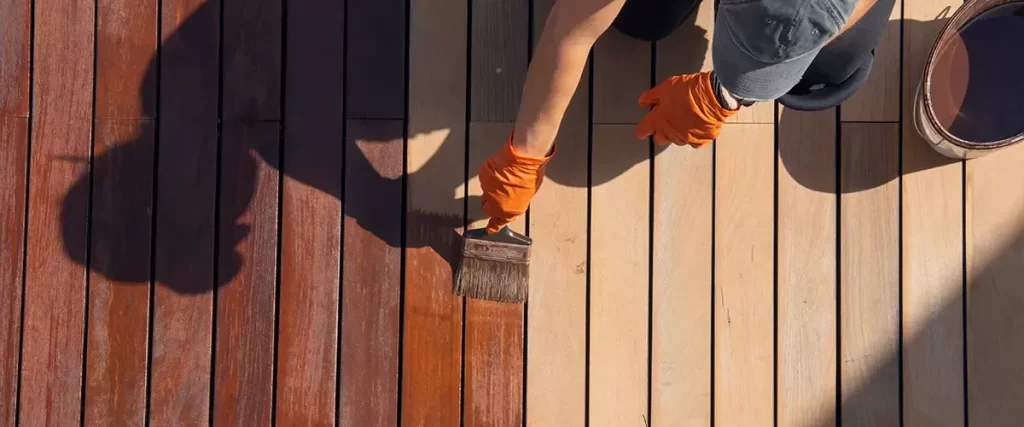
Wood decks are particularly vulnerable to moisture accumulation. Water soaks into the pores of the wood. When that water freezes, it expands and causes cracks. This cycle repeats throughout the winter season.
A water-repellent sealant or stain acts as a shield. To test if your current seal is working, sprinkle some water on the deck boards. If it beads up, you are protected. If it soaks in and creates a dark spot, the wood is exposed.
Applying a fresh coat of high-quality sealant blocks moisture absorption. It also helps prevent sun damage from UV rays, which can still be strong on clear winter days. You should apply these products when the temperature is still above freezing and the wood is dry.
Caring for Composite Decks
Composite materials are designed to be low maintenance, but they are not immune to winter damage. They require care to stay in top shape.
Composite decking does not need sealing, but it does need to be clean. Dirt and pollen left on the surface can encourage mold to grow on the biofilm. A gentle scrub with soap and water removes these contaminants.
Stubborn stains from grease or food should be removed before winter sets in. Grease can harden in the cold, making it difficult to clean later. Routine cleaning keeps the composite finish looking new and prevents discoloration.
Managing Snow and Ice Correctly
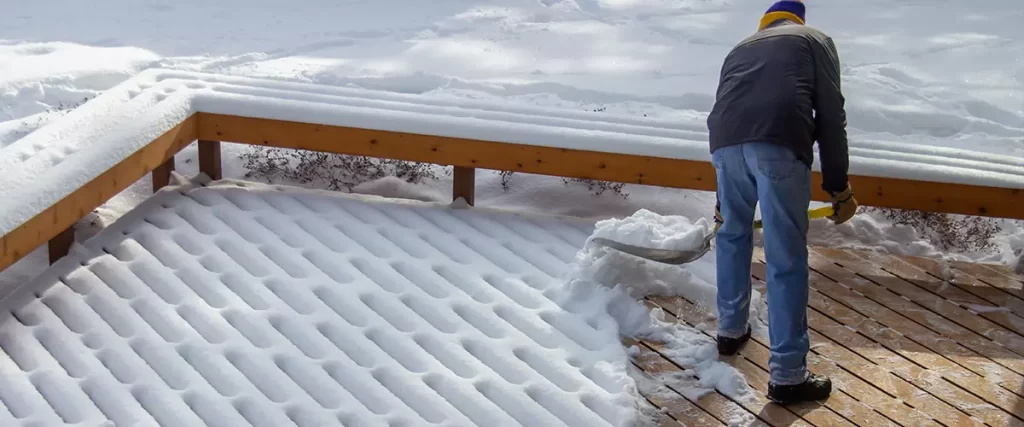
Snow removal is a necessary chore. How you remove it matters significantly. You want to protect your deck surface from scratches and gouges.
Avoid metal shovels. The sharp edge of a metal blade can slice into wood and scratch composite decking. These scratches allow moisture to penetrate deeper.
- Use a plastic shovel to push snow gently.
- Push parallel to the deck boards to avoid catching the edges.
- Leave a thin layer of snow if ice is adhering to the wood to avoid chipping.
Ice is a safety hazard. Your instinct might be to throw down rock salt. Rock salt is harsh. It dries out the natural moisture in wood, leading to splintering. It can also corrode the metal fasteners and hangers holding your deck together.
Choose an ice melt product that is safe for pets and vegetation. Calcium magnesium acetate is a better option than sodium chloride. It melts ice effectively without causing extensive damage to the deck materials.
Preventing Moisture Traps
We often leave items on the deck during winter without thinking. Rugs, mats, and heavy flower pots trap moisture underneath them. This constant contact with wetness creates a perfect environment for rot.
Remove all natural fiber rugs. Even synthetic mats can hold water against the deck’s surface. If you must leave heavy furniture outside, cover it with breathable covers. Ensure there is air flow underneath the furniture legs.
Moisture buildup leads to warped boards and unsightly stains. Keeping the deck surface clear allows sunlight and air to dry the wood during the day. This simple step extends the deck life significantly.
Addressing Issues Immediately
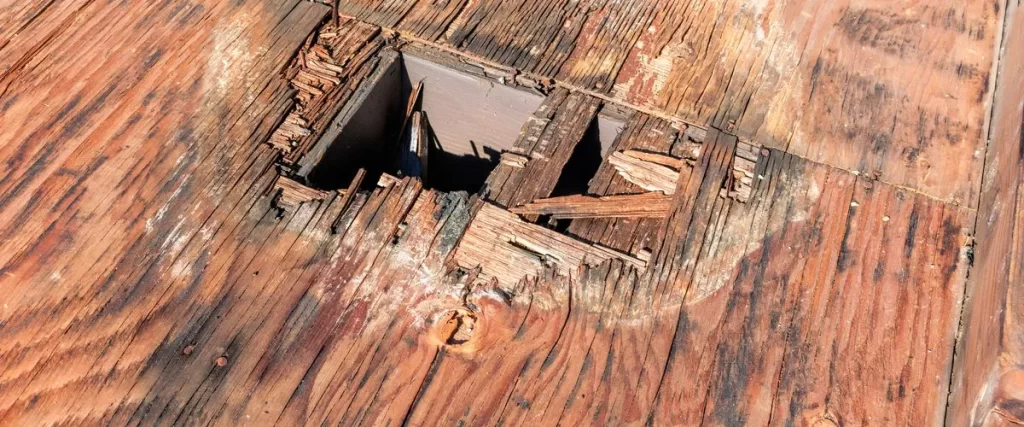
Winter weather is unpredictable. A heavy snowstorm might reveal a weakness you missed. You might notice a railing that feels wobbly or a board that feels soft.
Take note of these issues. If the safety of the deck is compromised, address it immediately. For cosmetic issues, you can plan for repairs when the weather warms. Keeping a mental or written log of maintenance needs helps you prioritize tasks for the spring.
Ignoring small problems leads to larger ones. A single loose board can become a tripping hazard. A small patch of rot can spread to the structural beams. Proactive measures save you money and effort.
The Impact of Freeze-Thaw Cycles
The constant freezing and thawing of water is a powerful force. It widens small cracks. It lifts nails. It stresses the entire structure.
You mitigate this by keeping the deck dry and sealed. Proper ventilation under the deck also helps. Ensure that snow drifts do not block the airflow beneath the structure. Good air circulation helps the wood dry out from the bottom up.
Check the flashing where the deck meets the house. This metal strip prevents water from running behind the siding and rotting the house framing. Ensure it is intact and free of debris.
Keeping the Deck Safe for Use
You might use your deck in the winter for grilling or accessing the backyard. Keep a clear path. Shovel the walkway and the area around the grill.
Keep the stairs clear of ice. You can add abrasive strips to the stair treads for extra traction. This improves safety for anyone walking on the deck.
- Sweep light snow away with a broom to prevent ice formation.
- Monitor for slippery spots near the door and stairs.
- Check railing stability regularly as you rely on it more in slippery conditions.
Preparing for Spring
Winter deck maintenance is really about preparing for spring. You want to step out on the first warm day and enjoy your outdoor space. You do not want to be greeted by green algae or grey, splintered wood.
A little effort during the colder months pays off. Your deck survives the winter. It looks great. It remains safe for your family and friends.
When Maintenance Feels Like Too Much
Maintaining a deck requires time, tools, and physical effort. You have to scrub, seal, shovel, and inspect. It involves handling heavy materials and working in the cold. Sometimes you find damage that goes beyond a simple DIY fix. You might find loose boards that won’t tighten or wood that feels spongy.
Dealing with structural repairs, replacing damaged boards, or knowing exactly which sealant works with your specific wood type can be complicated. You might prefer to spend your winter warm inside rather than worrying about the state of your deck.
If you notice issues that need professional attention or if you want to ensure your deck is repaired correctly for the coming season, you can look into professional deck repair services to handle the heavy lifting.
If you would rather let us handle the cold and the repairs while you enjoy the comfort of your home, we are ready to help. Call us at (865) 801-4545 or message us here.